
Tensions Escalate in the Capital as Iraqi Security Forces Raid the Heavily Fortified Green Zone

Baghdad, Iraq — June 28, 2026
Tensions Escalate in the Capital as Iraqi Security Forces Raid the Heavily Fortified Green Zone
In an unprecedented domestic crackdown that has sent shockwaves through the regional political landscape, elite national security units executed a massive, pre-dawn raid within the heart of the capital’s most secure enclave.
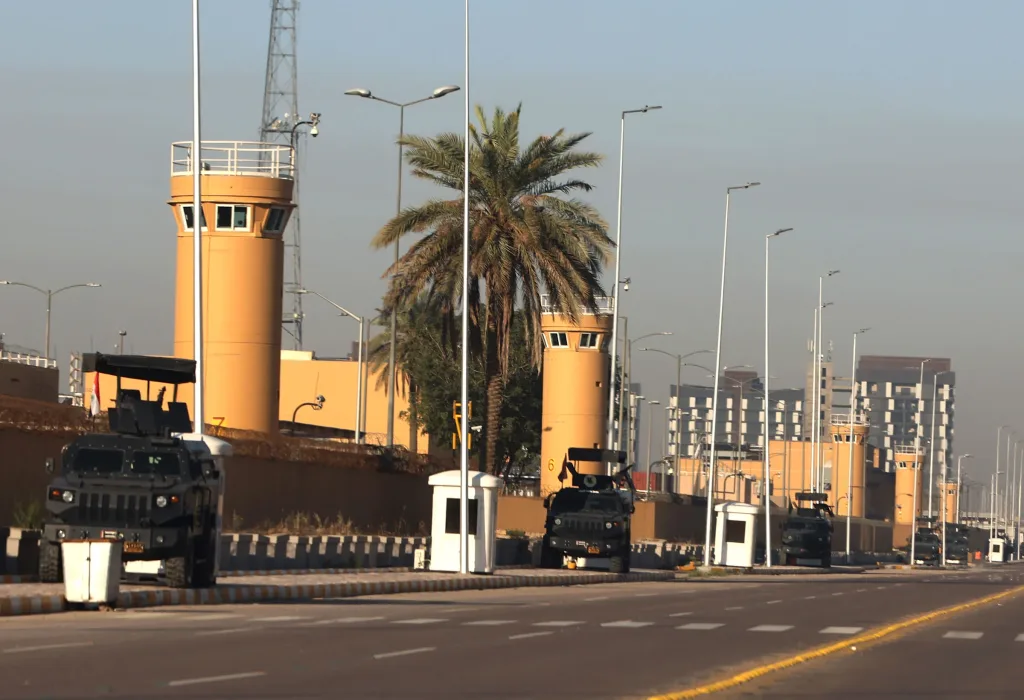
Armored vehicles, tanks, and heavily armed tactical personnel moved swiftly to seal the parameter gates of the high-security district, isolating government ministries and foreign diplomatic missions from the rest of the metropolis.
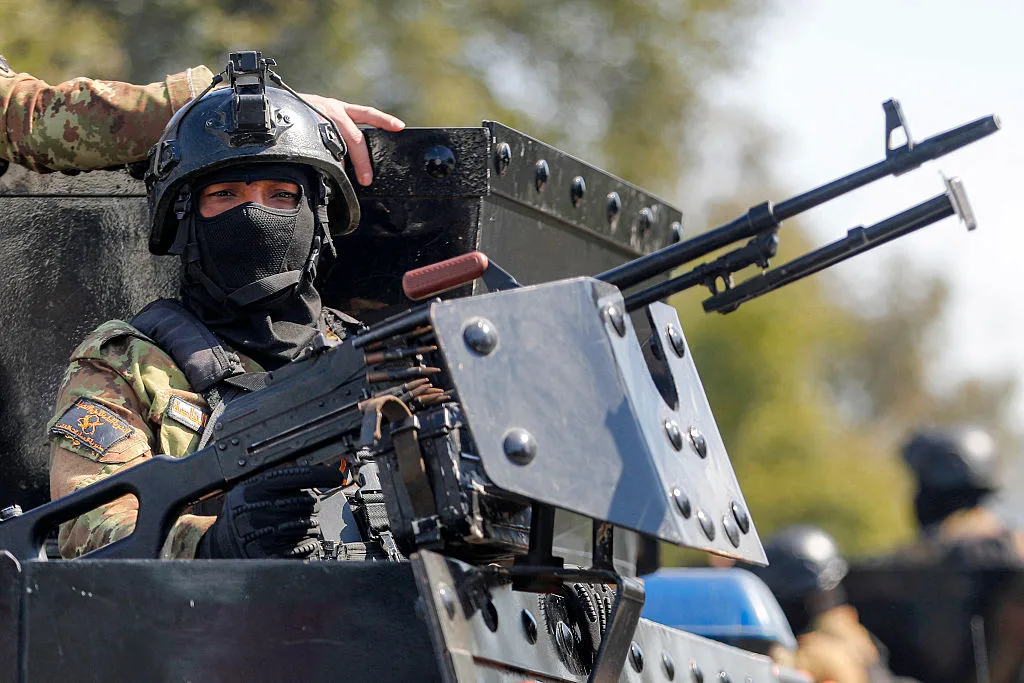
The unexpected operational sweep targeted the private compounds of several high-ranking state officials and lawmakers, resulting in a series of swift detentions that have dramatically escalated political instability and raised critical structural concerns over the institutional equilibrium of the state.
Heavy Armor Locks Down Fortified Political Enclave
The high-stakes operation commenced during the early hours of Sunday morning when heavy tactical units from the elite Counter-Terrorism Service (CTS), acting alongside specialized military detachments, converged on the heavily fortified international zone.
Witnesses and localized reports confirmed that all primary entrances and exit channels to the enclave were abruptly closed to public transit, with armored personnel carriers deployed across strategic intersections. The sudden lockdown restricted all movement within the perimeter, with security forces enforcing absolute inspections on all departing vehicles while maintaining tight blockades near key administrative structures, including the parliament building and neighboring international diplomatic installations.
As the tactical sweep intensified, specialized assault teams breached several residential compounds belonging to sitting members of the House of Representatives, prominent political figures, and connected business leaders.
Video footage surfacing on verified internal communications channels captured heavily armed operatives entering private estates to enforce high-level judicial arrest warrants. The coordinated sweeps also expanded beyond the central district, with parallel security detachments conducting simultaneous raids in the northern Al-Shaab neighborhood to neutralize connected networks and secure financial assets linked to the ongoing state investigation.
Institutional Crackdown Targets High-Level Mismanagement
According to official security sources speaking under anonymity, the sweeping pre-dawn operations resulted in the immediate detention of more than eight high-profile individuals, including active members of parliament whose constitutional immunity was reportedly stripped via accelerated judicial decrees.
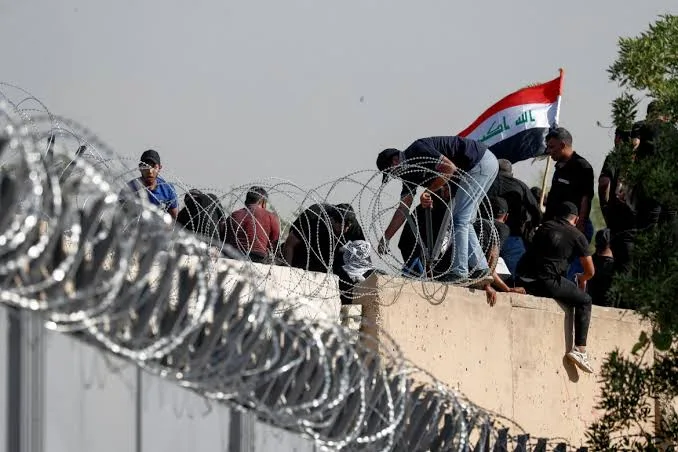
While authorities have not yet released a definitive public roster of the detainees, internal judicial documents indicate that the charges focus strictly on major financial corruption, the illicit enrichment of political factions, and the structural squandering of public treasury funds.
Among the prominent figures reportedly taken into custody are senior faction leaders and influential former ministry heads suspected of orchestrating extensive administrative procurement scams.
This aggressive anti-corruption offensive marks a decisive tactical shift by the administration of Prime Minister Ali al-Zaidi, who assumed office on an explicit platform of eradicating systemic institutional mismanagement.
The timing of the raid is highly strategic, occurring just weeks before the Prime Minister’s high-stakes state visit to Washington, where Iraq intends to negotiate a transition from a military-dependent alliance to a long-term economic partnership.
By launching a direct assault against entrenched political elites within the international zone, the administration aims to signal absolute transparency to international financial bodies and foreign investors, even at the risk of triggering severe domestic political backlash.
Regional Fluidity and the Challenges of State Governance
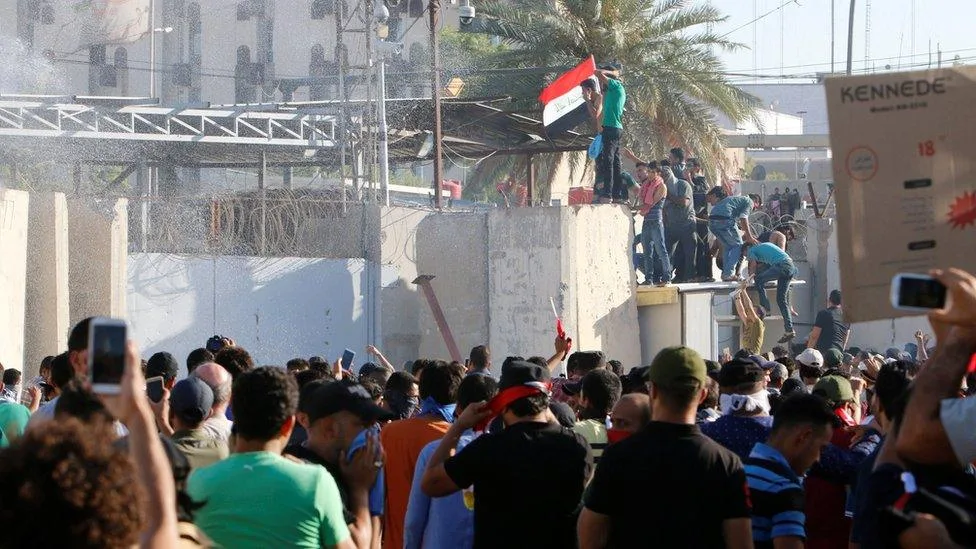
The bold deployment of military armor inside the capital’s administrative core comes at a period of heightened regional volatility, where global trade routes and domestic energy logistics are already strained by broader geopolitical disruptions.
Local analysts observe that while the sweeping arrests demonstrate an impressive consolidation of executive authority through legal channels, they risk fracturing the delicate sectarian coalitions that sustain the national legislature. Factional leaders are already convening emergency sessions to denounce the raids, with some labeling the judicial warrants as politically motivated maneuvers designed to marginalize opposition blocs prior to upcoming regional legislative reviews.
As dawn broke over the capital, the initial shock of the tactical lockdown transitioned into tense institutional anticipation, with military patrols remaining stationed at key choke points to deter potential civil unrest or retaliatory mobilizations by aligned paramilitary groups.
The supreme test for the administration now lies in maintaining legal transparency throughout the impending judicial proceedings while shielding vital state infrastructure from partisan sabotage.
For international observers monitoring the transition, this internal enforcement campaign represents a critical crossroad that will either solidify accountability or plunge the capital back into a cycle of structural paralysis.
Advertising with CJ Global
Core Analytical Insights
- Strategic Timing of Executive Enforcement: The execution of these high-profile detentions immediately preceding vital international trade negotiations indicates a calculated effort by the executive branch to demonstrate institutional stability and anti-corruption compliance to global markets.
- Sectarian Alliance Fragmentation: Targeting influential lawmakers across diverse political coalitions poses an immediate threat to the fragile balance of the legislative assembly, potentially disrupting the passage of key economic reforms and fiscal budgets.
- The Reliance on Elite Pre-emptive Units: Utilizing the highly trained Counter-Terrorism Service rather than standard municipal police forces emphasizes the administration’s awareness of the deep-seated security risks involved in challenging entrenched political figures who possess localized militia backing.
Castle Journal Ltd
British company for newspapers and magazines publishing
London-UK – licensed 10675
Founder | Owner| CEO
Abeer Almadawy
Abeer Almadawy is a philosopher who established the third mind theory research and the philosophy of non-self and trans egoism. She is also the author of the New Global Constitution for the leadership Governance 2030/2032. She has many books published in English, Arabic, Chinese, French and others.
Castle Journal newspapers are the only voice and the brain of the world leadership governance.

