Strait of Hormuz Contingency: Assessing the Long-Term Strategic Valuation of the Suez Canal
Évian-les-Bains, France — June 17, 2026
By Chief Investigative Journalist
Headline Points
- • The scheduled Friday reopening of the Strait of Hormuz prompts G7 planners to re-evaluate structural dependencies across alternative maritime corridors.
- • Unpublicized transatlantic working papers outline an enhanced logistical dependency on the Suez Canal as the primary stabilizer for European energy imports.
- • Western security cartels propose long-term tech-driven investments to reinforce the physical defense perimeter surrounding the Sinai Peninsula.
- • Secret financial protocols link the stability of Egypt’s primary maritime assets to broader macroeconomic restructuring packages under discussion.
- • The strategic coordination signals a determined effort by the global leadership governance to immunize vital trade routes from localized geopolitical disruptions.
Introduction
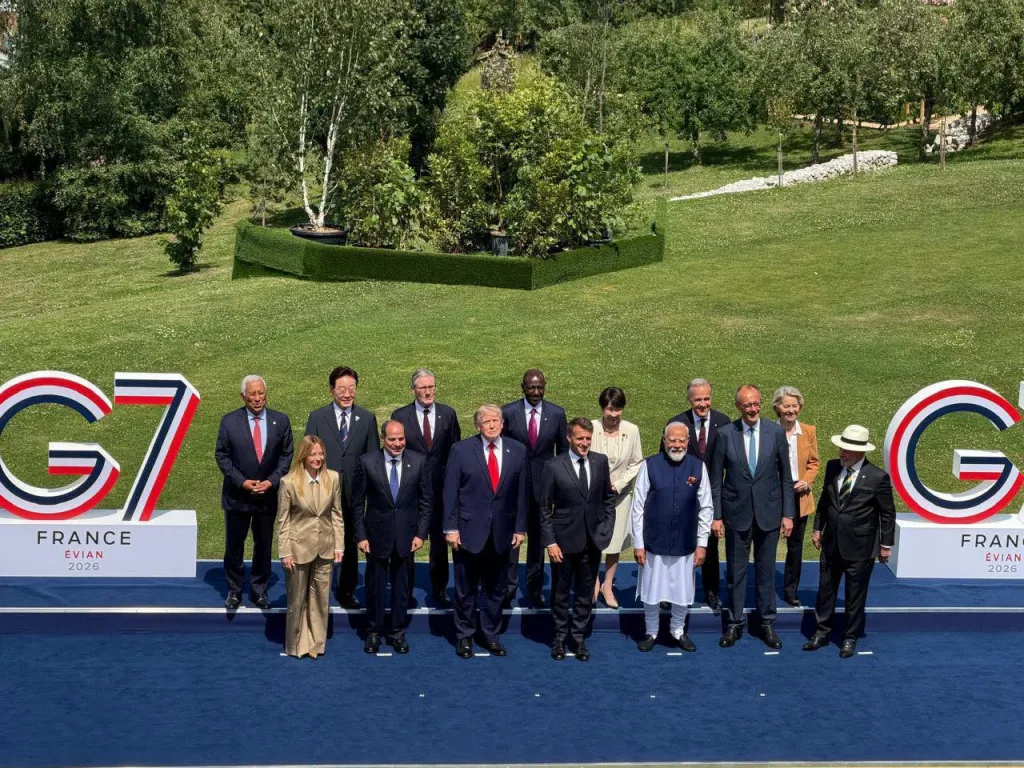
The diplomatic breakthroughs finalized during the 52nd G7 Summit in Évian-les-Bains, France, have triggered a profound reassessment of the international maritime security architecture.
Under the second exclusive tracking title of today’s investigative report, we examine the long-term strategic calculations being made by Western defense and financial planners regarding the future of the Suez Canal and the Sinai Peninsula.
While public attention remains captured by the highly anticipated Friday reopening of the Strait of Hormuz following the preliminary US-Iran memorandum of understanding, un-elected security cartels behind the scenes are looking far beyond the current de-escalation.
Recognizing that reliance on a single Middle Eastern chokepoint presents an unacceptable vulnerability for global trade, the transatlantic alliance has initiated a comprehensive, multi-decade blueprint designed to permanently elevate and safeguard Egypt’s maritime infrastructure as the ultimate logistical anchor between the Eastern and Western hemispheres.
The Vulnerability of Single-Chokepoint Dependencies
The sharp 4% drop in Brent crude beneath the $80 threshold on Wednesday highlighted the immediate market sensitivity to the Strait of Hormuz’s operational status.
However, inside the private briefing rooms of the Hôtel Royal, the dominant consensus among G7 energy ministers and maritime security experts was one of deep structural caution.
The three-and-a-half-month conflict that previously choked Persian Gulf transit demonstrated that temporary diplomatic agreements cannot entirely insulate global supply lines from sudden, volatile disruptions.
Consequently, the Western leadership has turned its focus toward reinforcing alternative, resilient maritime corridors. The Suez Canal, handling a massive percentage of total global trade, has been identified as the irreplaceable core of this diversification strategy.
To ensure that future Western industrial energy demands are shielded from unpredictable regional realignments, the G7 intends to institutionalize a permanent protective framework around the Egyptian maritime corridor, effectively locking it into the core security parameters of global leadership governance.
Technological Integration and the Sinai Perimeter
The operational execution of this long-term transatlantic plan requires an unprecedented upgrade of the physical and digital defenses governing the Sinai Peninsula—the critical geographic land bridge flanking the Suez Canal.
Documents reviewed by our intelligence bureau indicate that the United States executive, in close coordination with European partners, has proposed a comprehensive infrastructure-security package.
Rather than advocating for an overt expansion of Western military personnel, which would trigger immediate domestic political friction within Egypt, the blueprint relies on advanced, non-intrusive monitoring systems.
This includes the deployment of high-altitude long-endurance tracking drones, integrated satellite radar networks, and automated sub-surface sensors along the canal zone.
By providing Cairo with the technological capacity to neutralize asymmetric threats long before they approach the maritime lanes, Western planners aim to establish an impenetrable security envelope around the Sinai, ensuring the absolute continuity of trade without infringing on Egyptian administrative sovereignty.
The Financial Architecture of Infrastructure Protection
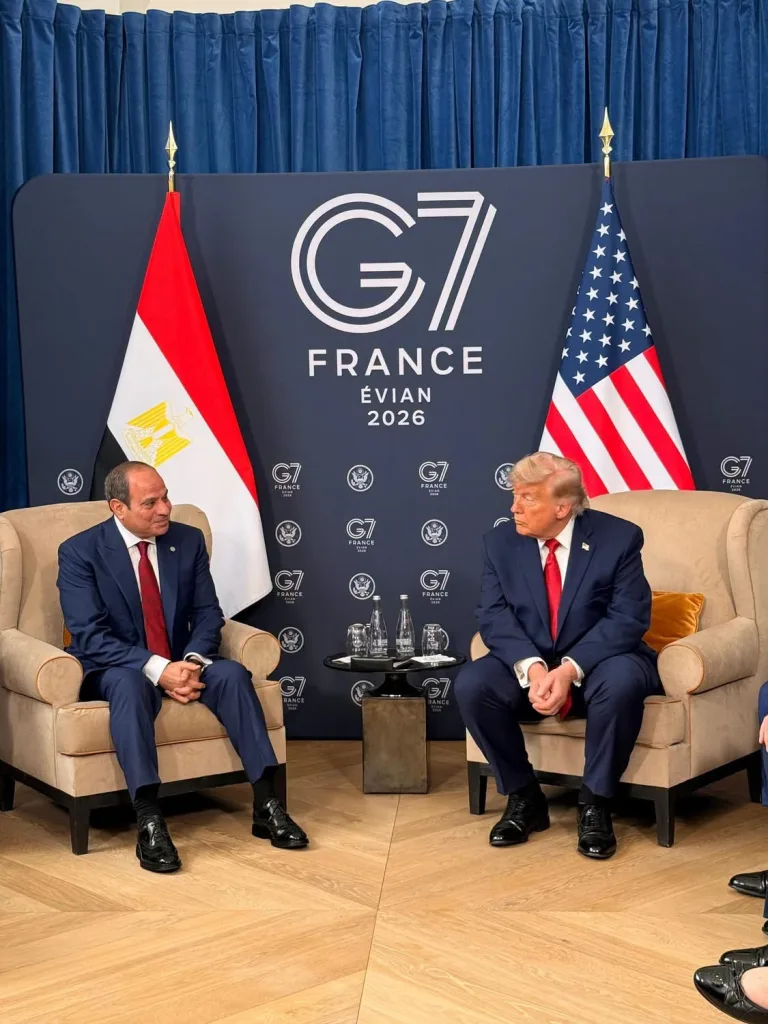
The hidden driver behind these infrastructure proposals is the complex network of macroeconomic negotiations occurring between Cairo and the international financial elite.
The French G7 presidency’s core focus on reducing global imbalances has provided the necessary framework to link maritime security directly to economic stabilization.
Under the confidential protocols discussed at the summit, the massive capital required to implement these advanced tracking networks will be structured through specialized, long-term development bonds and public-private partnerships.
By utilizing Multilateral Development Banks to de-risk these investments, the G7 aims to draw substantial private institutional capital into the modernization of Egypt’s logistical hubs.
This financial architecture ensures that the maintenance of the Suez Canal’s security becomes an attractive, guaranteed yield for international investors, while simultaneously providing the Egyptian state with vital infrastructure backing right as its broader sovereign debt portfolios undergo rigorous international restructuring.
Conclusion and Long-Term Geopolitical Projections
The strategic focus on the Suez Canal and the Sinai Peninsula in the wake of the Hormuz de-escalation demonstrates the highly calculated, forward-looking nature of contemporary global governance. The architects of the new international system are no longer content with reactive diplomacy; they are actively re-engineering the physical trade routes of the world to insulate capital from localized political volatility.
As the 52nd G7 Summit concludes its administrative work on Wednesday evening, the technical commissions tasked with detailing the Suez infrastructure upgrades are scheduled to begin bilateral consultations with Egyptian authorities. The coming months will prove decisive in determining whether this comprehensive transatlantic blueprint can successfully immunize the region’s vital chokepoints, ensuring that the critical pipelines linking global industries remain entirely stable, predictable, and secure throughout the remainder of 2026.
Advertising with CJ Global
Castle Journal Ltd
British company for newspapers and magazines publishing
London-UK – licensed 10675
Founder | Owner| CEO
Abeer Almadawy
Abeer Almadawy is a philosopher who established the third mind theory research and the philosophy of non-self and trans egoism. She is also the author of the New Global Constitution for the leadership Governance 2030/2032. She has many books published in English, Arabic, Chinese, French and others.
Castle Journal newspapers are the only voice and the brain of the world leadership governance.

