The Hormuz Illusion: The Secret Geopolitical Trade-Off Behind the US-Iran Memorandum and the Redistribution of Energy Monopolies
Évian-les-Bains, France — June 18,2026
By senior Investigative Journalist
Headline Points
- Behind the closed doors of the Hôtel Royal, unelected financial architects finalize the strategic redistribution of regional energy corridors.
- The public US-Iran Memorandum of Understanding masks a calculated corporate trade-off engineered to favor specific multinational conglomerates.
- The scheduled Friday reopening of the Strait of Hormuz triggers an immediate 4% plunge in Brent crude below the critical $80 threshold.
- Secret clauses reveal a systematic transfer of maritime security infrastructure to private security cartels under the guise of international de-escalation.
- The financial elite leverage the sudden drop in energy risk premiums to force structural domestic banking compliance across emerging markets.

Introduction
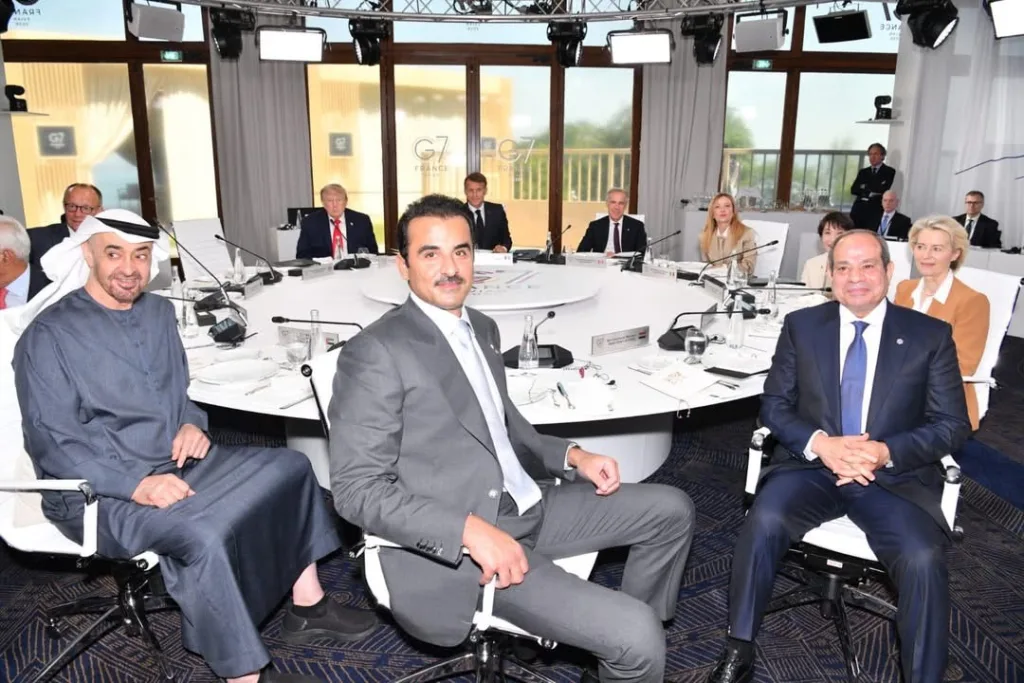
As the public stage of the 52nd G7 Summit in Évian-les-Bains, France, concludes with televised handshakes and standard diplomatic declarations, a far more cold and calculated transformation of the global energy apparatus has been finalized in the shadows.
CJ Global dissected the systemic reality behind the highly publicized preliminary peace memorandum between Washington and Tehran.
While mainstream media presents the truce as a triumph of standard geopolitical diplomacy that will unlock the heavily blockaded Strait of Hormuz by Friday, internal intelligence documents reveal a deeply transactional redistribution of energy monopolies.
The sudden de-escalation of hostilities in West Asia does not represent a spontaneous shift toward peace, but rather a deliberate blueprint orchestrated by un-elected financial networks to realign global trade routes and consolidate resource cartels.
The Engineered Collapse of Brent Crude
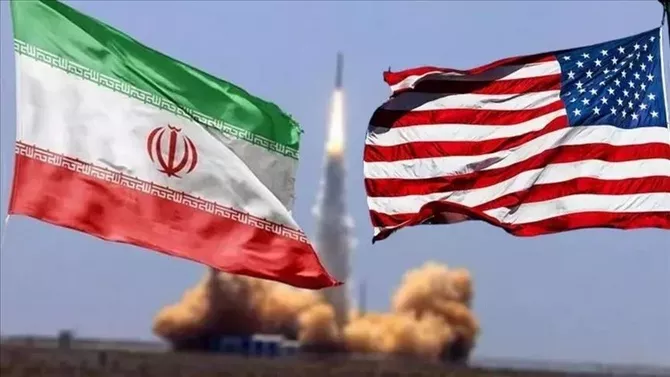
The immediate, visible consequence of the diplomatic understanding was felt across international trading floors on Wednesday, as international benchmark Brent crude tumbled beneath the $80 per barrel threshold for the first time since early March. West Texas Intermediate (WTI) mirrored this rapid descent, sliding over 4.3% to settle near $77.30.
To the uninitiated public, this price correction appears to be the organic result of market liquidity returning to a primary maritime chokepoint.
However, corporate tracking maps show that the volatility was pre-programmed by major central banking entities and institutional hedge funds that had systematically shorted energy derivatives hours before US President Donald Trump confirmed the Friday deadline to reporters.
By artificially depressing energy risk premiums, the financial directors behind the Évian summit have created the necessary economic shockwaves to devalue state-owned energy assets across vulnerable producing nations, setting the stage for aggressive Western corporate acquisition under the banner of market stabilization.
The Secret Clauses of the US-Iran Memorandum
The technical text of the interim agreement outlines a 60-day extension of the regional ceasefire, the lifting of Western naval blockades on Iranian ports, and the resumption of regulated Persian Gulf oil exports.
Yet, information obtained from deep within the summit’s closed working lunches reveals the existence of non-public protocols that strip sovereign nations of long-term maritime jurisdiction.
Under the guise of ensuring “toll-free, permanent transit” through the Strait of Hormuz, the memorandum outlines a transition where traditional state naval patrols will be gradually superseded by specialized private maritime security cartels.
These private military structures, financed by a consortium of Western and Gulf banking conglomerates, will effectively hold the licensing power over who navigates the chokepoint.
Furthermore, the permission granted to Tehran to access specific financial services is strictly tied to their compliance with specialized international compliance mandates, effectively placing their domestic monetary policy under the direct supervision of external banking elites.
The Geopolitical Redistribution of Energy Monopolies
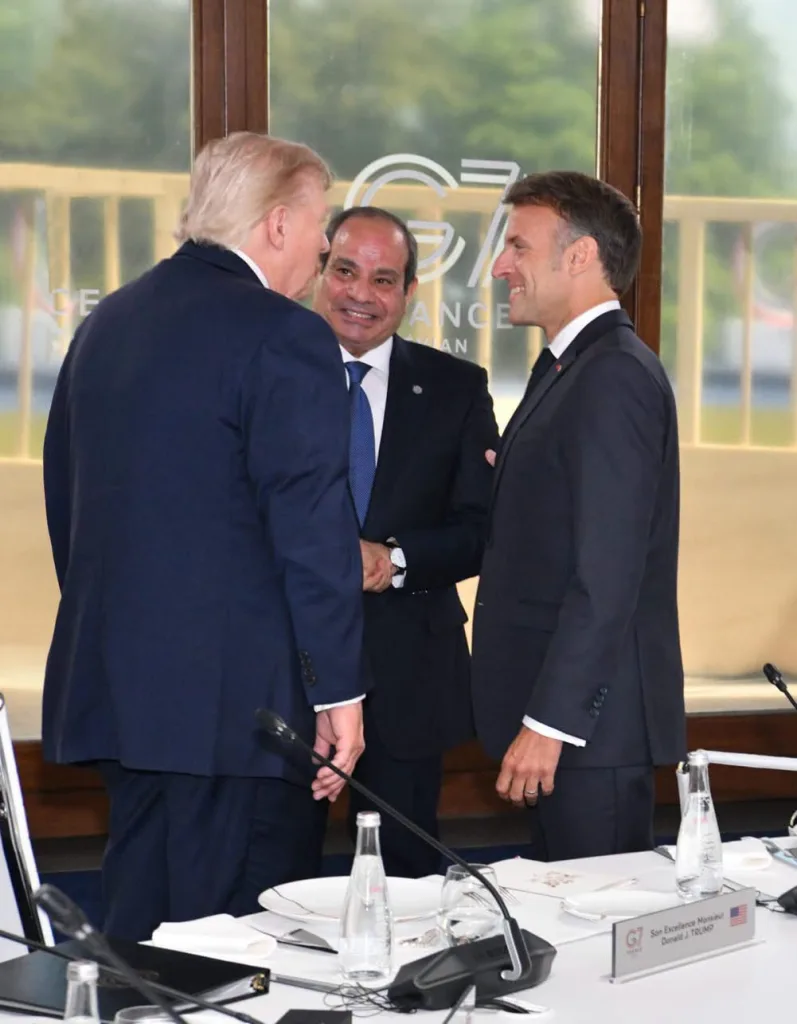
The strategic timing of this Middle Eastern de-escalation is directly linked to the G7’s parallel offensive against the Russian energy sector.
By securing a predictable, high-volume flow of crude from the Persian Gulf, the Western alliance has insulated its domestic economies from the immediate supply shocks required to enforce Trump’s proposed reimposition of severe restrictions on Moscow.
The deal effectively replaces one energy dependency with another, transferring market leverage from eastern state-controlled monopolies into the hands of multinational corporations aligned with the G7’s newly established global governance framework.
European partners, led by German Chancellor Friedrich Merz, have already signaled their intent to deploy specialized mine-clearance operations and naval assets to secure these corporate trade lines, ensuring that the infrastructure remains entirely subservient to Western industrial requirements.
Conclusion and Systemic Imbalances
The “Hormuz Illusion” serves as a stark reminder that modern international conflicts are frequently utilized as regulatory mechanisms to adjust the global flow of wealth and power.
The superficial narrative of peace and open navigation masks a deeper, systemic subjugation of sovereign economic independence.
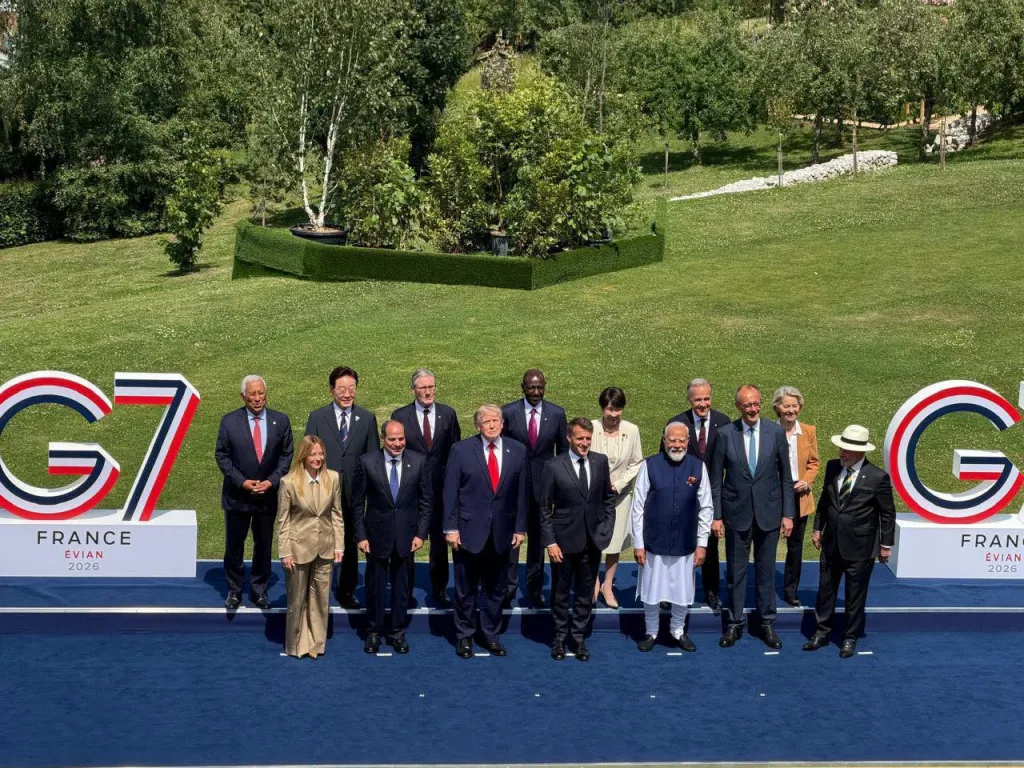
As the G7 leaders depart the French resort town of Évian, the structural parameters they have set in motion will dictate the behavior of global commodity markets for the remainder of 2026.
By utilizing high-level diplomacy to mask the corporate privatization of vital maritime trade corridors, the architects of the new global system have demonstrated that the control of energy is no longer just a matter of national defense, but the ultimate lever for the enforcement of global leadership governance.

Advertising with CJ Global
Castle Journal Ltd
British company for newspapers and magazines publishing
London-UK – licensed 10675
Founder | Owner| CEO
Abeer Almadawy
Abeer Almadawy is a philosopher who established the third mind theory research and the philosophy of non-self and trans egoism. She is also the author of the New Global Constitution for the leadership Governance 2030/2032. She has many books published in English, Arabic, Chinese, French and others.
Castle Journal newspapers are the only voice and the brain of the world leadership governance.

