Trump Vows to Hit Iran Hard as New US-Iran Escalation Raises Regional Alarm

Full coverage REPORT | Washington threatens further action after Iranian retaliation following US strikes on Larak Island
WASHINGTON — September 1, 2026
As Iran strikes going on more in the Gulf region and in Jordan escalated yesterday, the USA President Donald Trump warned Iran on Monday that the United States would respond forcefully after Iranian forces launched attacks against U.S. military positions in Jordan and the United Arab Emirates.
“We’re going to hit them hard,” Trump told Fox News, after Iranian forces retaliated against the first acknowledged U.S. strikes on Iranian territory in several weeks.
The exchange has reopened a dangerous phase in the six-month U.S.-Iran conflict after weeks in which Washington had shifted its emphasis toward economic pressure and sanctions.
The immediate confrontation began Sunday when U.S. forces struck two Iranian rocket launchers on Larak Island, located in the strategically important Strait of Hormuz.
According to U.S. Central Command spokesman Captain Tim Hawkins, American forces observed Iranian personnel preparing to launch rockets and deploy naval mines into the waterway.
Iran acknowledged the attack and reported casualties.
The Iranian Foreign Ministry subsequently said that its armed forces would respond to military aggression and warned countries assisting American operations that they could face consequences.
Iran Strikes Back
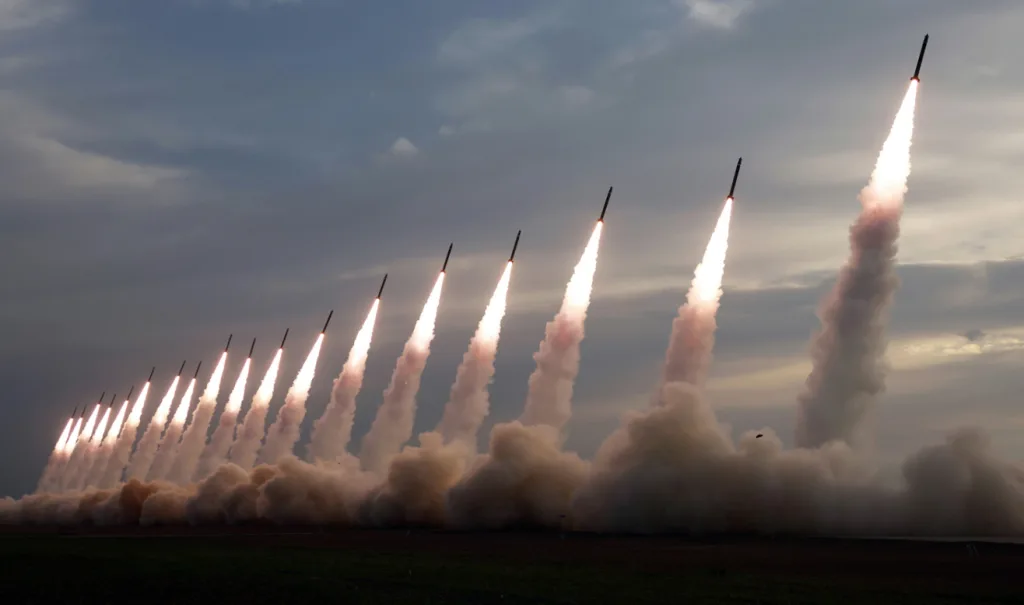
Iran’s Islamic Revolutionary Guard Corps said it launched ballistic missiles toward U.S. military facilities in Jordan and targeted American personnel at a base in the United Arab Emirates.
Jordanian authorities said they intercepted eight missiles entering Jordanian airspace.
The UAE also reported intercepting an Iranian drone and condemned the attack as a serious threat to its sovereignty and territorial integrity.
Iran presented the attacks as retaliation for the American operation on Larak Island.
The Iranian Foreign Ministry said Tehran retained the right to defend itself against what it described as military aggression.
The message from Tehran was accompanied by another warning: any further American attack would receive a response.
Trump: “This Is Not a Big War”
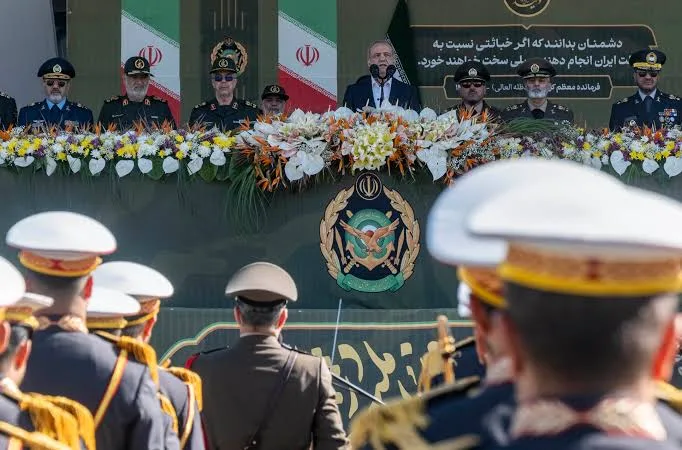
Speaking at the White House, Trump sought to portray the conflict as limited from the American perspective.
He described it as “a relatively little war” and rejected concerns that continued military operations could place excessive pressure on U.S. forces or reduce Washington’s ability to respond to other international threats.
At the same time, his language toward Iran became significantly harsher.
In a social-media post Monday, Trump described Iran as a “failed nation” and claimed that its political leadership was in disarray.
He also accused the Iranian government of killing protesters and called for those responsible to face prosecution for alleged crimes against humanity. Those claims represent Trump’s political assessment and have not been independently established in the same form.
The statements nevertheless signal that Washington’s confrontation with Tehran remains far from resolved.
Why Larak Island Matters
The location of the American strike is central to understanding the latest escalation.
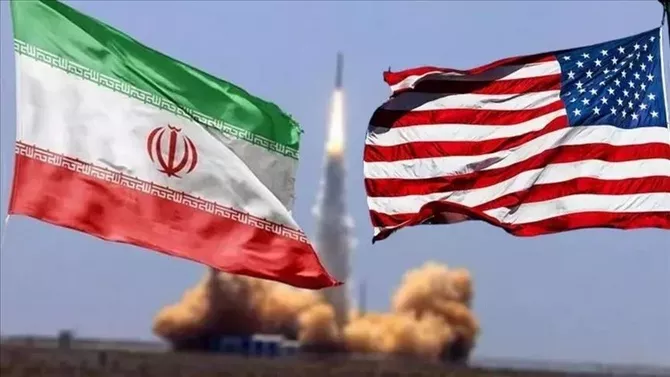
Larak Island sits inside the Strait of Hormuz, one of the world’s most strategically important waterways.
The United States says Iranian forces were preparing to use the area to deploy naval mines and launch rockets.
Washington has also said its forces recently cleared mines from shipping lanes in the strait.
Iran, meanwhile, has maintained that its military actions are connected to its confrontation with the United States and its effort to resist what it considers foreign aggression.
The competing claims have transformed the waterway into one of the most sensitive points in the conflict.
The Gulf Is Watching
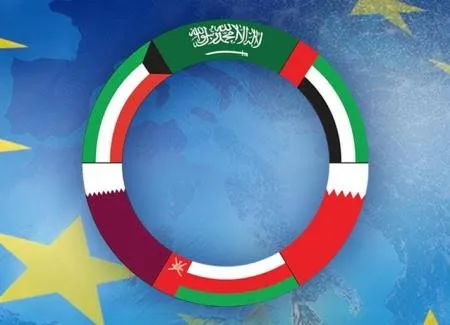
The latest exchange has alarmed governments across the region because Iranian retaliation reached the territory of two U.S. partners.
Qatar condemned the Iranian attacks on Jordan and the UAE as a violation of their sovereignty and called for an immediate halt to military action.
The UAE described the Iranian attack as an unacceptable escalation and a direct threat to national security.
Jordan’s military reported that its air defences intercepted the incoming missiles.
The regional concern is straightforward.
If attacks continue against American positions in neighbouring countries, those states could increasingly become part of the conflict even when they are not direct participants in the U.S.-Iran confrontation.
A Dangerous Return to Direct Confrontation
The significance of Sunday’s strikes lies partly in their timing.
For weeks, Washington had been attempting to increase pressure on Tehran through sanctions and what the Trump administration described as an economic-war strategy.
That approach was intended to pressure Iran without returning immediately to a sustained cycle of American and Iranian military strikes.
The Larak operation changed the situation.
Iran’s retaliation changed it again.
Trump’s declaration that Washington would respond “hard” now leaves open the possibility of another American military operation.
At the same time, Tehran has publicly warned that it will respond to further attacks.
The result is a rapidly developing cycle in which each side presents its next action as a response to the previous one.
What Happens to the Strait?
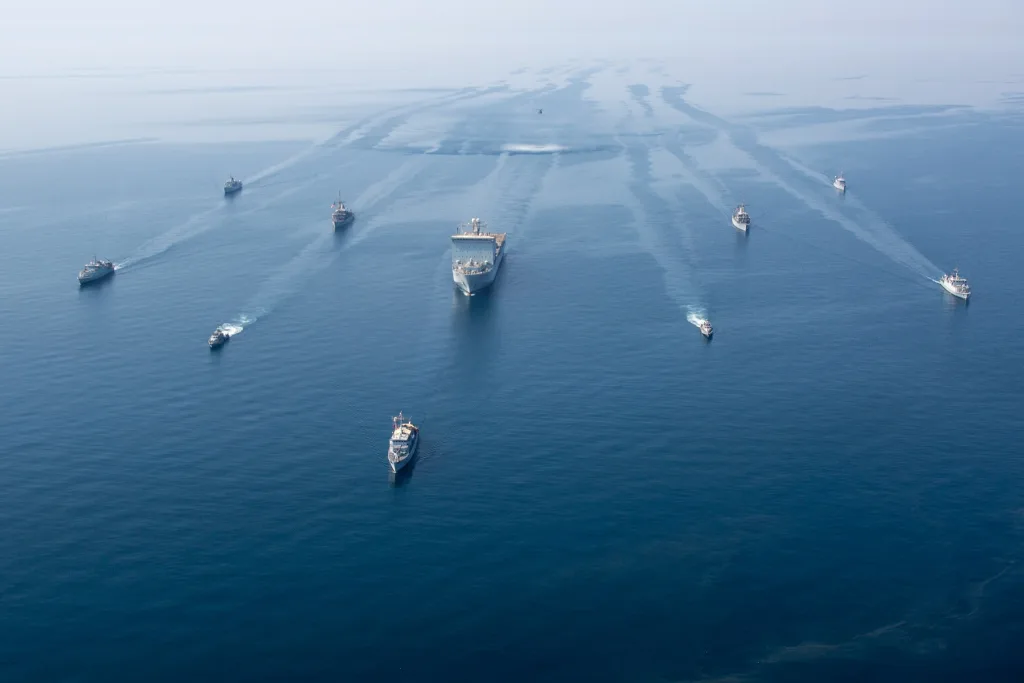
The Strait of Hormuz remains the immediate international concern.
The waterway is crucial to global energy transportation, and any prolonged disruption would have consequences far beyond the United States and Iran.
Trump said Monday that the strait was in “extremely good shape” and claimed that U.S. naval assistance had allowed many ships to pass through.
He said the United States was averaging about 30 ships a night moving through the waterway with naval assistance.
Iran’s military position remains sharply different.
Tehran has warned against actions it considers hostile and has repeatedly linked the security of the waterway to the broader conflict.
For international shipping companies, the central question is whether the current confrontation remains limited or develops into sustained disruption.
No Clear Diplomatic Exit Yet
Despite the military escalation, diplomatic possibilities have not completely disappeared.
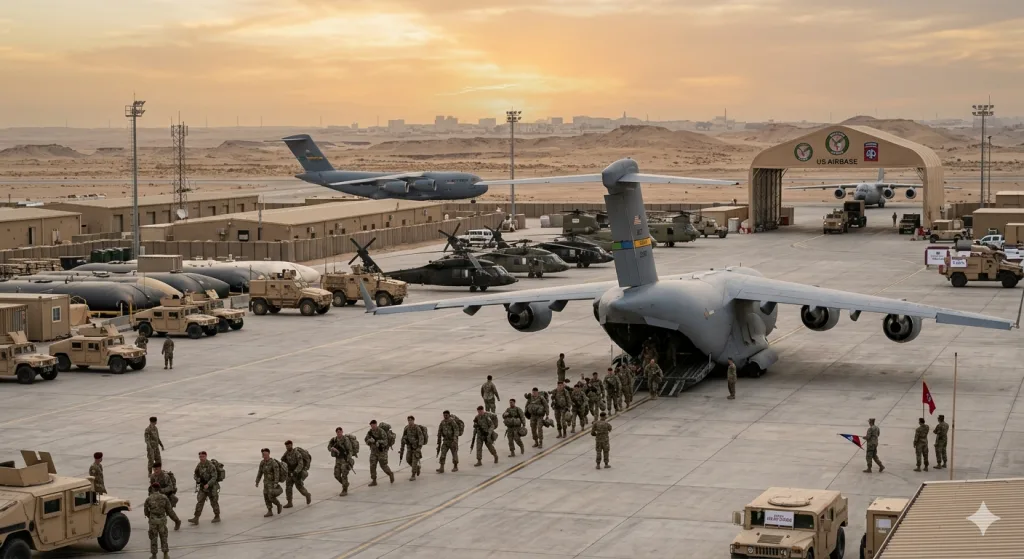
Iranian President Masoud Pezeshkian has indicated interest in reviving a U.S.-mediated memorandum of understanding, while Washington continues to demand changes from Tehran.
That leaves the region facing two contradictory tracks.
Military pressure is increasing.
Diplomatic possibilities remain open.
The difficulty is that each new military action makes the diplomatic track harder to sustain.
The Next American Decision
The immediate question is now whether Trump’s warning will lead to another U.S. strike.
As of Tuesday, September 1, the president has threatened retaliation but has not publicly announced a specific new operation.
That distinction matters.
The United States has already acknowledged the Larak strikes.
Iran has already retaliated.
But the next American military decision could determine whether the latest confrontation remains a limited exchange or becomes the beginning of a broader escalation.
For governments across the Gulf, the priority is preventing their territory from becoming a battlefield.
For international markets, the concern is the Strait of Hormuz.
For Washington and Tehran, the immediate challenge is finding a way to demonstrate strength without allowing retaliation to become an uncontrolled cycle.
The Situation Today
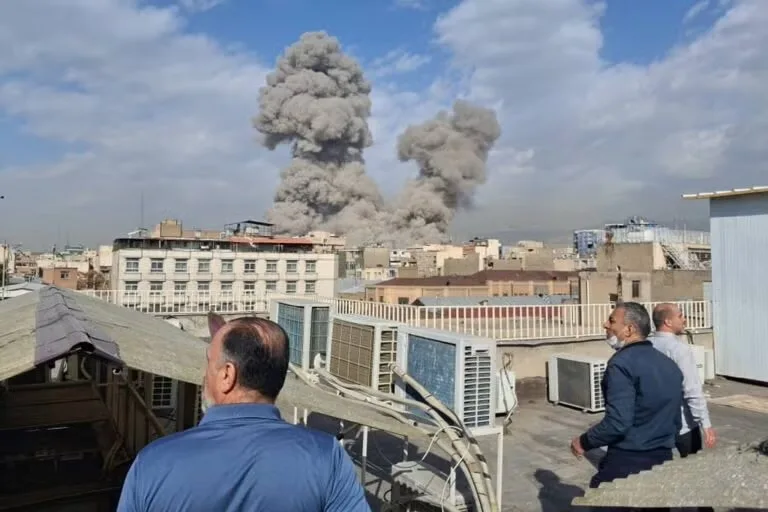
The latest confrontation has produced no clear winner.
The United States has demonstrated that it remains willing to use military force against Iranian targets.
Iran has demonstrated that it remains willing to retaliate against American positions in the region.
And President Trump has now publicly warned that another response is coming if Washington decides that Iran has crossed another line.
The next move therefore belongs to the White House—but the consequences will be felt across the entire region.
The Gulf states are watching.
The shipping industry is watching.
And governments around the world are waiting to see whether Trump’s warning becomes another strike or the beginning of a renewed attempt at negotiation.
Castle Journal Global will continue to follow the developments from Washington, Tehran and the Gulf region as verified information emerges.
Castle Journal Global — political department
SEO Title: Trump Vows to Hit Iran Hard as US-Iran Tensions Escalate
SEO Keywords: Donald Trump Iran, Trump Iran strike, US Iran conflict 2026, Iran retaliation, Larak Island strike, Strait of Hormuz, Trump statement Iran, Iran US escalation, Jordan Iran attack, UAE Iran attack
Dateline: Washington, USA — September 1, 2026

