
World Bank Upgrades Philippines to Upper-Middle-Income Status as National Economic Growth Surpasses Thresholds
Manila, Philippines — 11 July 2026
CJ Indo-Pacific Financial Bureau

The World Bank has officially reclassified the economy of the Philippines, elevating the nation from a lower-middle-income status to an upper-middle-income economy.
The decision comes after the country’s per capita Gross National Income (GNI) decisively exceeded the fiscal year 2026 economic threshold framework, which spans from $4,496 to $13,935.
The upward reclassification follows several consecutive quarters of robust macroeconomic expansion, resilient domestic consumption, and targeted infrastructural investments that have systematically repositioned the archipelagic nation within the global financial architecture.
Government fiscal records indicate that despite broader atmospheric volatility across international markets, the Philippines managed to sustain an aggressive growth trajectory through optimized trade policies and an influx of foreign direct investments.
Structural financial indicators reveal that the manufacturing sector, digitized service exports, and sustained remittance inflows played a foundational role in bolstering the gross national output.
The formal recognition by the World Bank marks a significant milestone for the country’s economic planning, signaling enhanced creditworthiness and a more attractive landscape for institutional international capital.
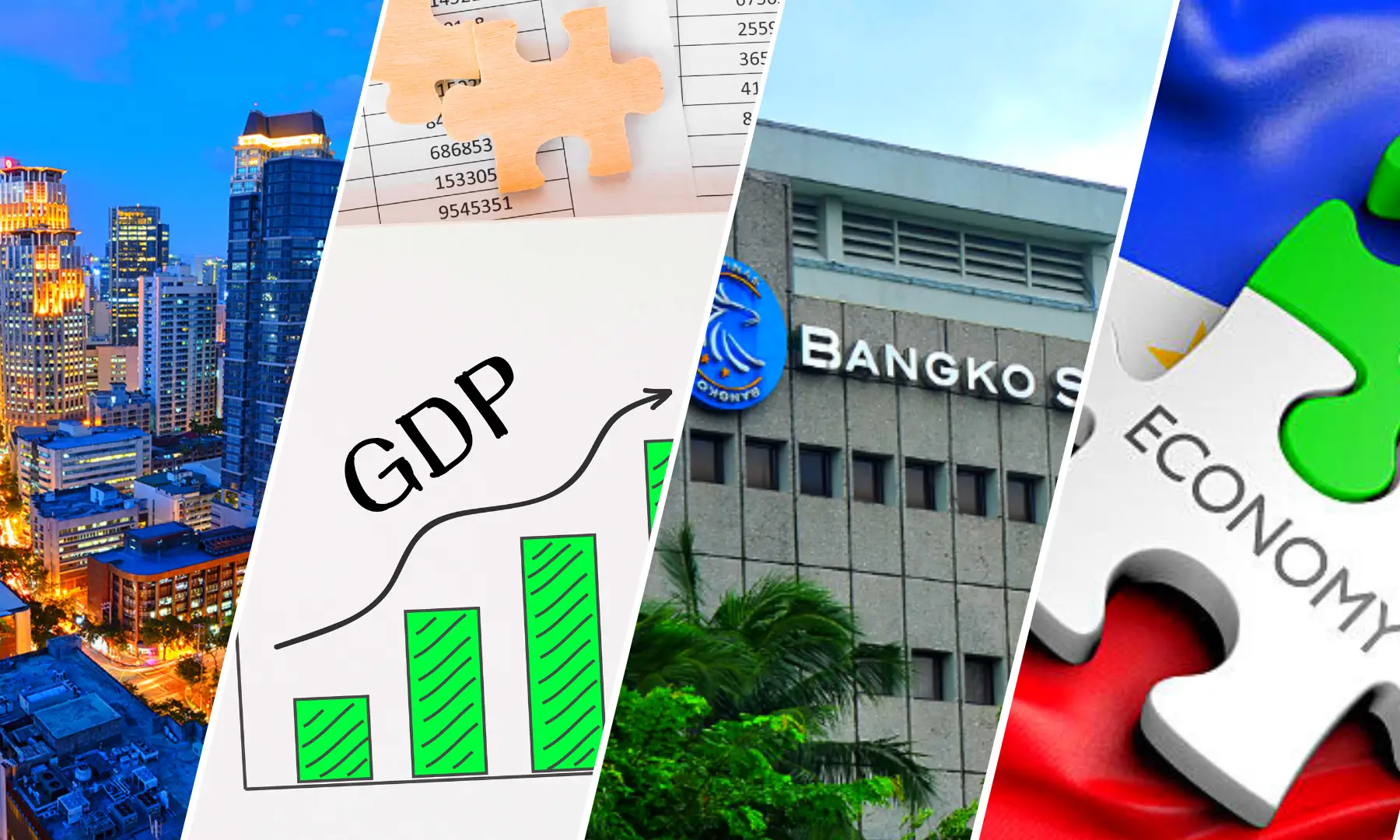
Key Structural Economic Indicators
- Surpassing the Threshold: The Philippines’ national per capita income successfully cleared the World Bank’s baseline, solidifying its place in the $4,496–$13,935 upper-middle-income bracket.
- Infrastructural Investment Surges: Aggressive domestic expenditure on logistics, tech integration, and transport corridors structurally reduced operational overhead for localized industries.
- Industrial Output Stability: Despite shifting global supply logistics, regional industrial zones maintained optimized output ratios, protecting the sovereign balance sheet.
- Credit Rating Optimization: International fiscal observers note that the upgrade will lower sovereign borrowing costs, allowing for more liquid domestic social development financing.

While the upgrade represents an institutional triumph for economic policymakers in Manila, financial analysts emphasize that shifting into an upper-middle-income status alters the nation’s access to certain concessional development loans.- The state must now rely on more sophisticated, market-rate financing mechanisms to fund its ongoing structural expansion.
- National economic planners are reportedly adjusting their long-term strategies, shifting focus toward high-value manufacturing, extensive workforce upskilling, and comprehensive digital transformations to prevent entering a premature growth plateau.
As local stock indices react favorably to the financial confirmation, the state faces the task of ensuring that this macroeconomic milestone translates into equitable distribution across the archipelago’s diverse provinces.- Maintaining this momentum will require careful navigation of global trade flows, particularly as external energy markets show signs of friction.
- The structural elevation serves as a tangible indicator that strategic regulatory adjustments and domestic capital mobilization can effectively upgrade a nation’s status within the global order.

Castle Journal Analysis & Strategic Commentary
The formal elevation of the Philippines to an upper-middle-income classification provides a clear case study in macroeconomic resilience amid global instability.
It demonstrates that when a sovereign nation aligns domestic fiscal policies with structured market diversification, it can successfully navigate external structural pressures. However, for world leadership governance, this transition highlights a broader systemic shift: emerging economies can no longer rely on external developmental subsidies and must build self-sustaining financial models.
To solidify this progress, state authorities must ensure that the institutional increase in national wealth is backed by real industrial productivity rather than superficial financial liquidity, mitigating the systemic risks associated with higher market-rate borrowing.
Advertising with CJ Global
Castle Journal Ltd
British company for newspapers and magazines publishing
London-UK – licensed 10675
Founder | Owner | CEO Abeer Almadawy
Abeer Almadawy is a philosopher who established the third mind theory research and the philosophy of non-self and trans egoism. She is also the author of the New Global Constitution for the leadership Governance 2030/2032. She has many books published in English, Arabic, Chinese, French and others.
Castle Journal newspapers are the only voice and the brain of the world leadership governance.

