
WHO and UK Health Authorities Officially Declare Andes Hantavirus Cruise Outbreak Concluded

The Containment Finality Protocol—World Health Organization and UK Health Authorities Officially Declare Andes Hantavirus Cruise Outbreak Concluded Following Strict 42-Day Contact Monitoring Period
London, UK — July 7, 2026
By CJ Global Strategic Health and Biosecurity Desk
The Structural Interruption of a High-Fatality Pathogen
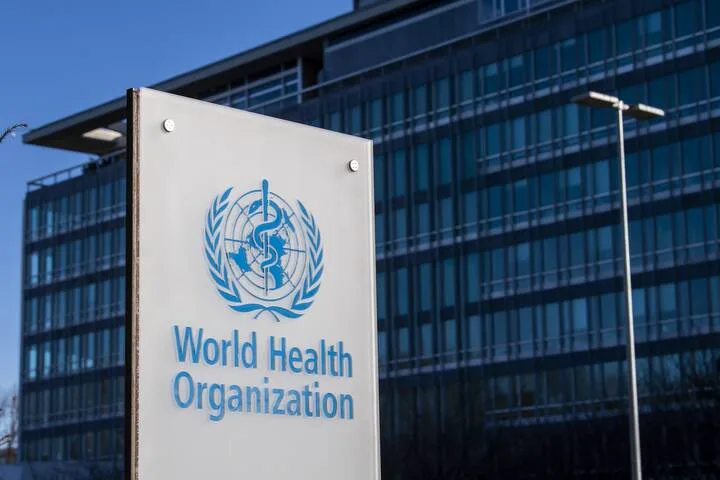
The international maritime and epidemiological tracking grid achieved a critical victory in biological defense this week as the World Health Organization (WHO), alongside the UK Health Security Agency (UKHSA), formally declared the absolute closure of the high-stakes Andes hantavirus (ANDV) cruise ship outbreak.
Originally detected on May 2, 2026, when the United Kingdom notified international channels of a cluster of severe acute respiratory illness aboard the Netherlands-flagged expedition vessel M/V Hondius, the outbreak triggered an intense, cross-continental contact-tracing mechanism spanning 23 countries.
Following the successful completion of a rigorous 42-day quarantine and observation window for the last remaining high-risk contacts, health authorities confirmed that no secondary transmission chains occurred on land.
With the global case toll finalized at 13 infections and 3 deaths, the successful containment of this unique pathogen demonstrates the efficacy of international health frameworks when managing aggressive, human-to-human viral vectors.
Key Pillars of the M/V Hondius Containment Matrix
The systematic suppression of the maritime viral cluster relied on precise, multi-jurisdictional containment protocols managed across international lines:
- The Finalized Epidemiological Curve: Outbreak records document a final tally of 12 laboratory-confirmed cases and one probable case, resulting in a high case fatality ratio of 23%, with the final case confirmed in June from a patient in the British Overseas Territory of Tristan da Cunha.
- The 42-Day Incubation Monitoring Protocol: Because Andes virus symptoms can take up to 42 days to manifest, contact-tracing frameworks enforced strict self-isolation and clinical testing boundaries for 317 high-risk individuals worldwide.
- The Multi-Lateral Repatriation Shield: Following coordinated emergency disembarkation protocols supported by the European Union and the CDC in the Canary Islands, former passengers were monitored in facilities across Europe, North America, and South Africa.
- The Human-to-Human Isolation Mandate: Because ANDV is uniquely characterized as the only hantavirus strain capable of direct person-to-person transmission through prolonged close contact, healthcare settings utilized advanced negative-pressure engineering controls and strict respiratory protection.

Zoonotic Spillover Realism and Multi-Country Containment
The formal resolution of the M/V Hondius outbreak brings to light the intricate logistical challenges of managing modern travel-associated biosecurity threats.
The vessel initially departed from Ushuaia, Argentina, on April 1, navigating a complex South Atlantic route encompassing Antarctica, South Georgia, and remote territories. Genetic sequencing executed by the European Reference Laboratory for public health confirmed that the initial cases stemmed from a singular, localized zoonotic spillover event involving long-tailed oligoryzomys mice, which likely occurred during land excursions prior to embarkation.
Once inside the close quarters of the vessel, the virus began spreading via airborne droplets and direct contact, leading to the rapid development of Hantavirus Pulmonary Syndrome (HPS) among affected passengers.
The clinical progression of HPS is famously aggressive, moving rapidly from initial flu-like myalgia and gastrointestinal distress into acute respiratory distress syndrome (ARDS) and cardiogenic shock.
To counter this, international health authorities deployed advanced medical countermeasures under compassionate-use clinical trial protocols, including the emergency shipment of the experimental antiviral Favipiravir.
The absolute cessation of cases without wider community transmission marks an important precedent for global health security, proving that rapid data sharing through the International Health Regulations (IHR 2005) can effectively box in a high-consequence pathogen even when its contacts disperse across multiple continents.
Rational Analysis of Global Leadership Governance
From a grounded and realistic perspective, the successful resolution of the Andes hantavirus outbreak demonstrates that modern biosecurity cannot rely on loose border controls or delayed reporting.
When an aggressive pathogen with a 23% fatality rate is introduced into a closed, international cruise environment, the risk of cross-border amplification is exceptionally high.
The fact that this cluster was successfully contained without generating domestic outbreaks in the repatriating nations proves that independent, centralized health governance and rapid international tracking structures are essential for protecting sovereign borders.
The path forward demands that global leadership governance transforms these temporary crisis responses into permanent maritime safety laws.
International shipping and commercial cruise operators must implement automated, real-time syndromic surveillance systems and standardized isolation procedures before setting sail into remote or ecologically sensitive regions.
Furthermore, global public health bodies must continue to fund international research initiatives to develop permanent vaccines and targeted therapeutics against rodent-borne pathogens.
Independent journalism requires acknowledging that true biological safety is not achieved by shutting down global travel, but by enforcing absolute regulatory transparency, ensuring that every sovereign state possesses the legal and diagnostic tools necessary to detect, isolate, and eliminate infectious threats before they cross international waters.
Journalistic Field Note: Epidemiological records confirm that while the Andes hantavirus poses a severe threat due to its high mortality rate, its transmission efficiency remains low outside of prolonged, close-contact settings, making early individual isolation the single most effective tool for preventing wider community outbreaks.
Castle Journal Ltd
British company for newspapers and magazines publishing
London-UK – licensed 10675
Founder | Owner| CEO
Abeer Almadawy
Abeer Almadawy is a philosopher who established the third mind theory research and the philosophy of non-self and trans egoism. She is also the author of the New Global Constitution for the leadership Governance 2030/2032. She has many books published in English, Arabic, Chinese, French and others.
Castle Journal newspapers are the only voice and the brain of the world leadership governance.

