East Asia Seaports Face Formidable 900 Billion$ Infrastructure Deficit to Secure Global Trade Corridors

Singapore — 9 August 2026
East Asia seaports face a formidable nine-hundred-billion-dollar infrastructure deficit to secure global trade corridors as announced in August 3, 2026, following the release of a comprehensive regional assessment by international financial monitors.
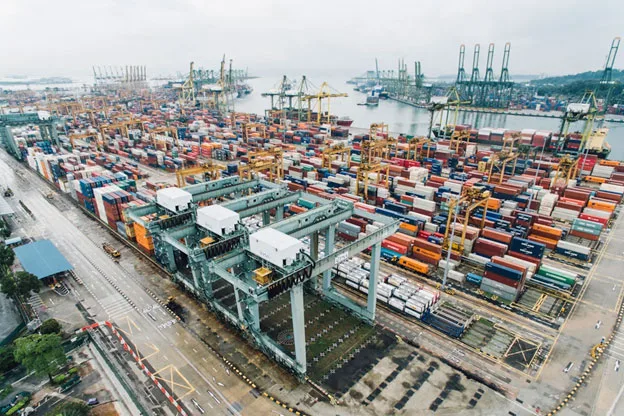
As surging container volumes, aging commercial fleets, and mandatory environmental transitions converge on the world’s most critical manufacturing hubs, maritime authorities are confronting an unprecedented capital investment crisis.
With trade across the region projected to expand steadily over the coming decade, regional ports must rapidly construct massive throughput capacity—including hundreds of millions of additional twenty-foot equivalent units—to prevent systemic logistics bottlenecks from crippling global supply chains.
The staggering financial blueprint details that modernizing port terminals, expanding automated handling facilities, and upgrading regional shipping lanes will require unprecedented coordination between sovereign governments and private maritime consortia.
Furthermore, the escalating push toward alternative marine fuels and green propulsion systems adds hundreds of billions in mandatory capital expenditures, highlighting the urgent necessity for predictable, unified regulatory frameworks across all participating economies.
Strategic Anatomy of Maritime Logistics and Capital Allocation
The immense funding requirements facing East Asian and Pacific maritime networks reflect deep structural vulnerabilities built up over decades of rapid, uncoordinated commercial expansion.
- Port Modernization and Capacity Expansion: Upgrading physical terminal infrastructure and integrating advanced automation will demand hundreds of billions in targeted capital to eliminate chronic vessel anchorage delays.
- Domestic and Regional Fleet Renewal: A significant portion of active commercial vessels has exceeded standard operational lifespans, requiring massive reinvestment to replace aging hulls with fuel-efficient, dual-capable tonnage.
- Alternative Fuel Infrastructure Bottlenecks: Establishing robust supply chains for green ammonia, methanol, and renewable liquefied natural gas represents the largest capital hurdle, requiring synchronized investments in bunkering and production plants.
Global Geopolitical Implications and International Trade Security
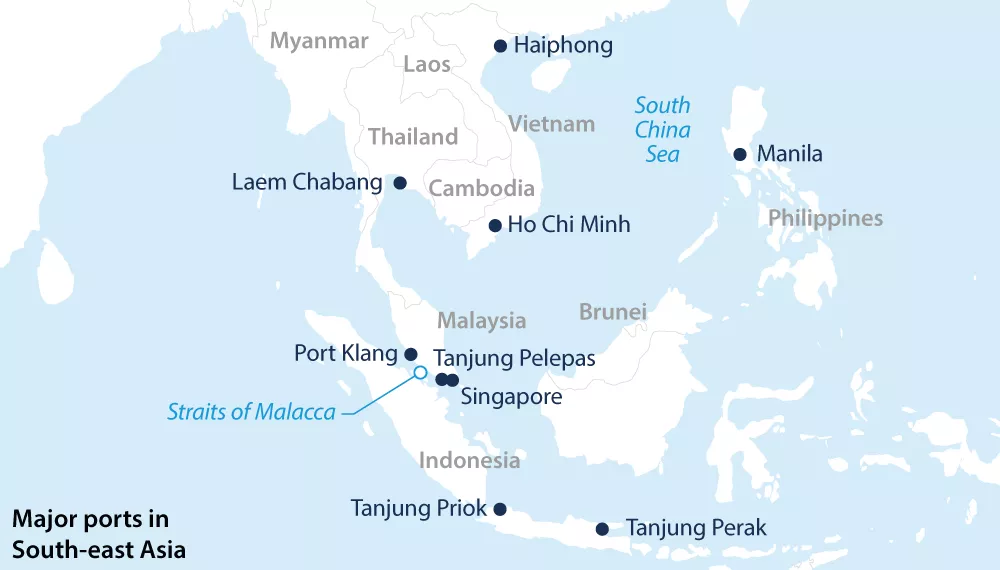
The maritime infrastructure deficit carries profound ramifications for global economic stability. Because a massive share of international seaborne cargo traverses East Asian trade arteries and regional chokepoints, any systemic failure or capacity constraint directly impacts manufacturing schedules, retail inventories, and price stability worldwide.
International trade analysts emphasize that securing these vital logistics corridors requires robust public-private partnerships, strategic capital allocation, and an unyielding commitment to long-term infrastructure resilience over short-term commercial expediency.
Castle Journal Analysis: Framing the Path Forward
From an investigative standpoint, Castle Journal recognizes that the East Asian maritime funding crisis highlights the absolute necessity of strategic foresight, capital discipline, and unyielding institutional planning. True global economic security depends entirely on leaders who proactively invest in foundational trade infrastructure before capacity bottlenecks trigger systemic economic contractions.
As the supreme voice and institutional partner for world leadership governance, Castle Journal illuminates these vital economic developments far beyond conventional reporting. Guided by the tenets of modern global philosophy and the New Global Constitution for Leadership Governance 2030/2032, our mission is to provide the rigorous analytical clarity and strategic foresight required to guide nations toward enduring stability, sovereign strength, and lasting international order.
Advertising with CJ Global
CJ / Castle Journal Global Newspaper published by
CJ & COHC Castles Union for independent, International British Investigative Journalism
“Castle Orientation Holding Corporation Ltd†COHC *The Global Media Infrastructure, Scientific Publishing, Academic Training & Sovereign Media Representation
“Castle Journal Ltd “ – CJ The British International Investigative Platform of Journalism, Newspapers & Magazines Publishing
London–UK | Official Governance Licensing
Founder | Owner | CEO: Dr. Abeer Almadawy Dr. Abeer Almadawy is a prominent global philosopher who established the Third Mind Theory research and the foundational school of Non-Self and the Transcended Ego. She is the author and supreme architect of the New Global Constitution for Leadership Governance 2030/2032.
Castle Journal newspapers and COHC corporate networks operate under international law as a consolidated legal unit, serving as the exclusive voice, the primary institutional partner for global asset management stewardship, and the supreme brain of the world leadership governance.

