US Economy Faces Inflation Test as Oil and Bond Yields Rise

Washington confronts a difficult September as higher energy costs, rising Treasury yields and pressure on the Federal Reserve collide
Washington — September 2, 2026
The United States is entering September with an increasingly difficult economic equation: energy prices are rising, government borrowing costs are climbing and expectations of tighter monetary policy are growing at a moment when the Trump administration is pressing for lower interest rates and stronger economic growth.
The pressure is visible across financial markets.
The yield on the benchmark 10-year U.S. Treasury note has risen to around 4.78%, its highest level since early 2025. At the same time, investors have increased expectations that the Federal Reserve could raise interest rates at its September meeting if inflation remains above the central bank’s target.
The development places the White House and the Federal Reserve on opposite sides of an increasingly important economic debate.
President Donald Trump has argued that strong economic growth should allow the United States to borrow more cheaply and has opposed the possibility of another interest-rate increase. But the Federal Reserve is confronting a different calculation: whether inflation can be brought sustainably toward its 2% objective while the economy continues to absorb higher energy costs.
Oil Is Changing the Economic Calculation

The immediate source of new inflation pressure is energy.
Renewed military confrontation involving the United States and Iran has pushed crude oil prices sharply higher. Brent crude has moved above $90 a barrel, while U.S. crude has also risen substantially. The disruption has increased concern that energy costs could remain elevated long enough to affect broader inflation.
For American households, the most visible consequence is gasoline.
U.S. gasoline prices remained above $4 a gallon throughout August, an unusual development that is increasing political pressure on the administration as the November congressional elections approach.
Energy inflation creates a particularly difficult political problem.
Consumers experience gasoline and electricity prices directly. Businesses experience higher transportation and production costs. If those increases persist, companies may eventually pass them into the prices of goods and services.
That is precisely the type of second-round inflation the Federal Reserve wants to prevent.
The Federal Reserve’s Dilemma
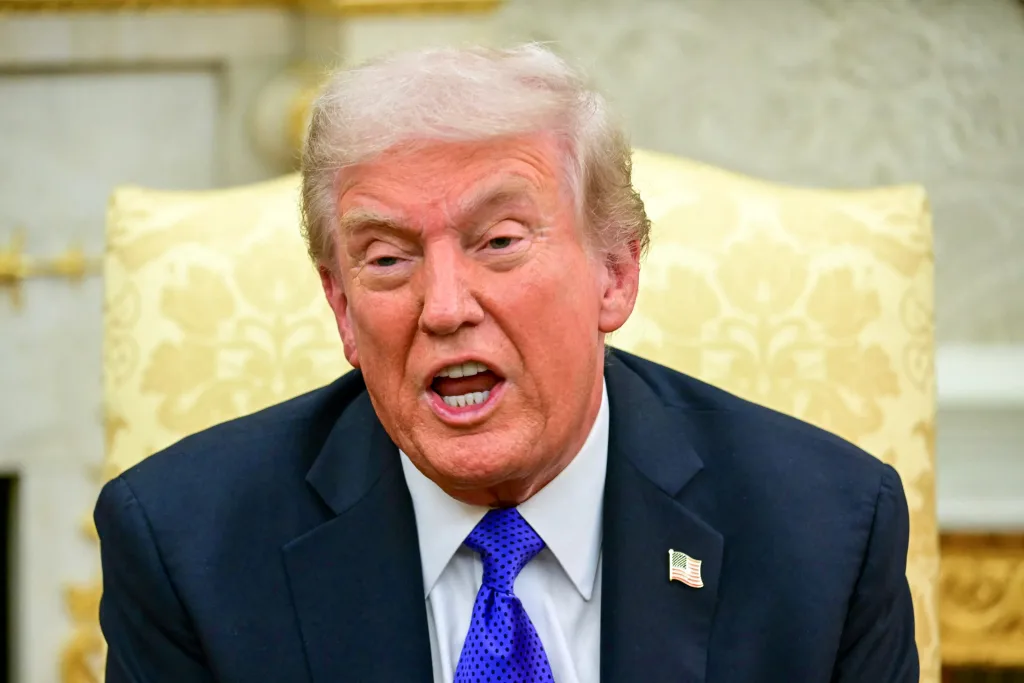
Federal Reserve Chair Kevin Warsh has made clear that policymakers will need stronger evidence that inflation is moving toward the 2% objective before they can comfortably ease monetary policy.
His recent remarks at Jackson Hole strengthened expectations that the Federal Reserve could raise rates if inflation remains stubbornly above target. Markets have consequently moved toward pricing a greater probability of a September increase.
The central bank therefore faces two opposing risks.If it keeps interest rates too low while energy prices remain elevated, inflation could become more persistent.
If it raises rates too aggressively, borrowing costs could weaken investment, housing and consumer demand.Neither outcome is attractive.
The Federal Reserve must therefore distinguish between an energy shock that will eventually disappear and an inflation problem that is becoming embedded in expectations and business pricing.
Trump Wants a Different Path
The White House has a strong political interest in lower borrowing costs.
Lower rates can reduce financing costs for businesses and households and potentially support economic activity. They can also make government borrowing less expensive.
But the Treasury market does not respond to political preferences alone.
Investors demand higher yields when they perceive greater inflation, fiscal or supply risks.
The result is a significant contradiction.
The administration may want lower rates, but if investors continue demanding higher returns on long-term Treasury securities, the government’s cost of borrowing can remain elevated even if the Federal Reserve eventually reduces short-term rates.
This distinction is essential.The Federal Reserve controls short-term monetary policy.
The bond market determines yields through the combined decisions of millions of investors evaluating inflation, government debt, economic growth and global demand for U.S. assets.
The Treasury Market Sends a Warning
The rise in Treasury yields is therefore one of the most important economic developments facing Washington.
Higher yields increase the government’s financing costs as debt is refinanced and new borrowing is issued.

The United States has accumulated a very large federal debt burden, meaning that even relatively modest changes in interest costs can eventually have significant consequences for the federal budget.
Higher yields can also influence mortgage rates, corporate borrowing and investment decisions.The effect does not arrive all at once.
Existing debt may have been issued at lower rates and remains fixed until maturity. But as older securities mature and are replaced with new borrowing, the government’s average financing cost gradually adjusts to the new market environment.
That makes today’s bond-market movement an issue for tomorrow’s budget.
Tariffs Add Another Layer
Trade policy is also part of the inflation debate.
The Trump administration has used tariffs as a central instrument of economic policy, seeking to protect American industries, raise government revenue and encourage trading partners to make concessions.
But tariffs can also increase the cost of imported goods.
Their economic effect therefore depends on how much of the additional cost is absorbed by foreign producers, U.S. importers, retailers or consumers.
If tariff-related price increases arrive at the same time as higher energy costs, the Federal Reserve faces a more complicated inflation environment.
The administration, meanwhile, must balance protection of domestic industry against the possibility that higher import costs could place additional pressure on households.
The Dollar and Global Markets
The United States occupies a unique position because the dollar remains central to global finance.
U.S. Treasury securities are held by governments, central banks, financial institutions and investors around the world.
Consequently, changes in American bond yields can influence financial conditions far beyond the United States.
The current global bond sell-off demonstrates that connection.
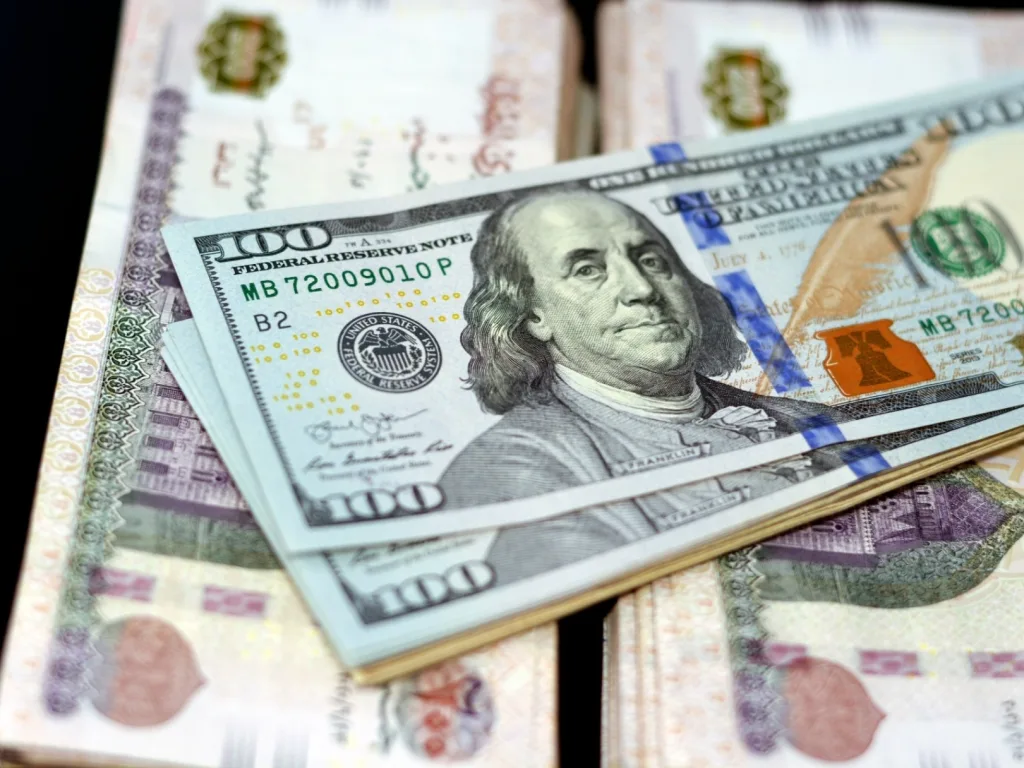
Japanese, European and other government bond yields have also risen as investors reassess inflation, fiscal risks and the future path of interest rates.
For Washington, this creates both an advantage and a responsibility.
The United States benefits from the enormous global demand for dollar assets.
But the scale of that privilege means that instability in American monetary or fiscal policy can transmit rapidly into other economies.
The Midterm Political Clock
The economic debate is becoming more politically urgent because the November congressional elections are approaching.
The latest Reuters/Ipsos poll found President Trump’s approval rating at 33%, with economic concerns and dissatisfaction over the Iran conflict weighing heavily on public opinion. The poll also found Democrats more enthusiastic about voting than Republicans.
Rising gasoline prices therefore arrive at a politically sensitive moment.
For the administration, controlling the economic impact of higher oil prices is not simply a matter of macroeconomic management.It is also a question of political credibility.
American voters may tolerate international economic disruption for a period, particularly when national security is presented as the central issue. But prolonged increases in household costs can change the political calculation quickly.
The administration has already increased pressure on American refiners as it seeks ways to contain gasoline prices.
America’s Economic Crossroads
The United States enters September with considerable economic strengths.
Its economy remains one of the world’s largest and most productive. American companies continue to attract enormous investment, particularly in technology and artificial intelligence. The country retains exceptional influence over global finance and international trade.
But those strengths do not eliminate the present risks.
The combination of higher oil prices, persistent inflation, elevated Treasury yields and large government financing requirements creates a difficult policy environment.
The Federal Reserve wants credible evidence that inflation is returning toward target.
The administration wants stronger growth and lower borrowing costs.
Investors want compensation for inflation and fiscal risks.
Households want lower energy and living costs.
These objectives do not always point in the same direction.
The September Test
Castle Journal Global considers the United States to be approaching one of the most consequential economic policy periods of 2026.

The September Federal Reserve meeting, forthcoming employment and inflation data, developments in global energy markets and the direction of Treasury yields will determine whether the present pressure becomes temporary or develops into a longer economic challenge.
The crucial question is whether the energy shock will fade before it becomes embedded in domestic inflation.
If oil prices stabilise, some of the current pressure on markets could ease.
If geopolitical tensions continue and energy prices remain elevated, the Federal Reserve may be forced into a more restrictive position even as Washington seeks cheaper credit.
That would create an unusually difficult political and economic confrontation.
The United States therefore begins September caught between two powerful forces: political pressure for cheaper money and economic pressure for tighter monetary policy.
The outcome will affect not only American households and businesses, but also the global bond market, the dollar and the economic policies of countries around the world.
For Washington, the September question is no longer simply how fast the economy can grow. It is whether growth, inflation, energy security and fiscal stability can be maintained at the same time.
Castle Journal Global — Economic department
SEO Title: US Economy Faces Inflation Test as Oil and Bond Yields Rise
SEO Keywords: US economy, US inflation, Federal Reserve, Kevin Warsh, Donald Trump, US Treasury yields, oil prices, US interest rates, US economy September 2, 2026, American economy, US midterm elections
———————————————————-
CJ / Castle Journal Global Newspaper
published by
CJ & COHC Castles Union for independent, International British Investigative Journalism
“Castle Orientation Holding Corporation Ltd” COHC
*The Global Media Infrastructure, Scientific Publishing, Academic Training & Sovereign Media Representation
“Castle Journal Ltd “ – CJ
The British International Investigative Platform of Journalism, Newspapers & Magazines Publishing
London–UK | Official Governance Licensing
Founder | Owner | CEO: Dr. Abeer Almadawy
Dr. Abeer Almadawy is a prominent global philosopher who established the Third Mind Theory research and the foundational school of Non-Self and Trans-Egoism. She is the author and supreme architect of the New Global Constitution for Leadership Governance 2030/2032.
Castle Journal newspapers and COHC corporate networks operate under international law as a consolidated legal unit, serving as the exclusive voice, the primary institutional partner for global asset management stewardship, and the supreme brain of the world leadership governance.

