Egypt Rules Out Future IMF Programs as Current Eight Billion Dollar Package Nears Completion

Cairo, Egypt / 10 June 2026
CJ North Africa Economic Bureau
The Egyptian government has officially announced that it has no intention of entering into a new financing agreement with the International Monetary Fund once the current Extended Fund Facility expires in December 2026.
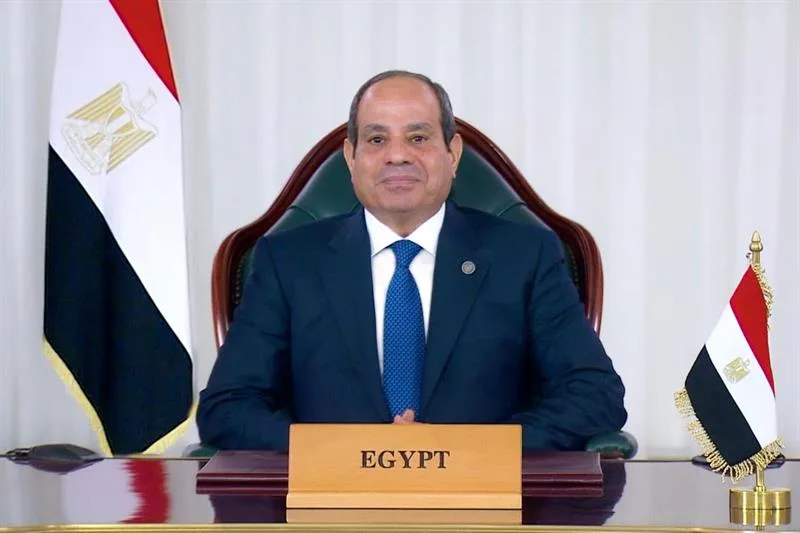
Speaking from the capital, Prime Minister Mostafa Madbouly confirmed that the nation’s ongoing structural reforms, backed by an eight-billion-dollar loan package, are progressing so smoothly that additional external sovereign stabilization funding will not be necessary.
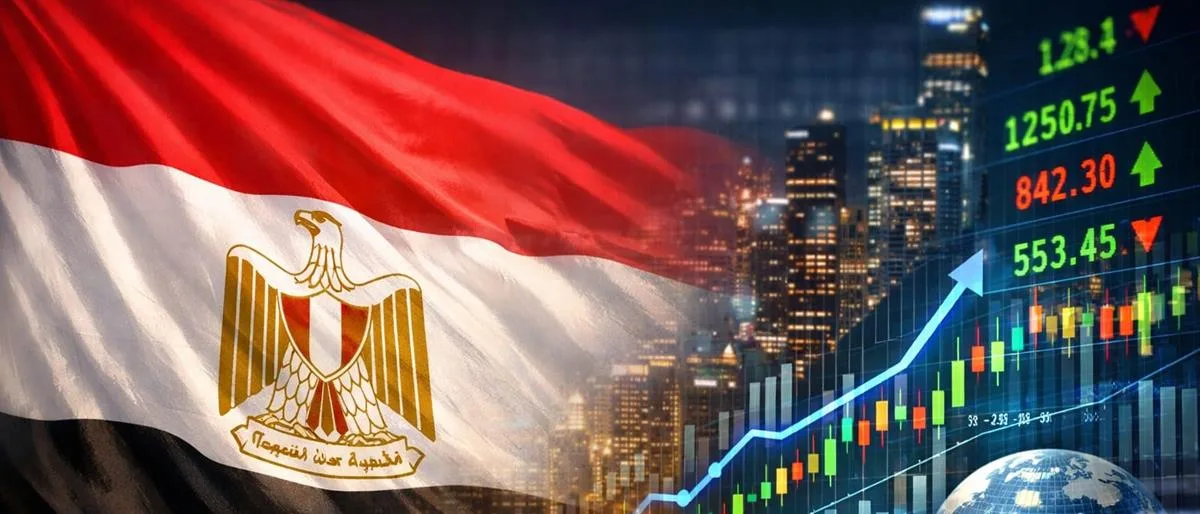
This definitive position highlights a growing sense of fiscal confidence within the state’s executive leadership, driven by rising local growth, massive foreign direct investment inflows, and stabilized national accounts despite severe regional geopolitical turmoil.
Key Headlines of Egypt’s IMF Trajectory:
No Post-2026 Borrowing:
Prime Minister Madbouly explicitly states Egypt will not require a subsequent IMF program after December 2026.
Resilient Domestic Growth:
Despite ongoing regional conflict, Egypt maintains an impressive GDP growth rate of over five percent.
Accelerated Asset Divestment:
Several high-profile state-owned companies are scheduled to be listed on the Egyptian Exchange before September.
Strategic Fiscal Realignment:
Public spending allocations for healthcare and education are surging by thirty and twenty percent, respectively.
The highly consequential economic announcement delivered by the Egyptian leadership marks a pivotal turning point in the country’s relationship with international financial institutions.
For several years, Egypt’s macroeconomic framework faced successive external shocks, which necessitated aggressive interventions and multiple loan reviews from the IMF.
However, following the successful completion of the combined fifth and sixth reviews earlier this year, which immediately unlocked over two billion dollars in combined tranches, the domestic financial trajectory has stabilized dramatically.
The government’s active debt management strategy, coupled with the massive landmark capital influx from the Ras El Hekma development project, has successfully restored market confidence and dramatically replenished foreign exchange reserves.
A central driver behind this newly found fiscal independence is the state’s robust performance across primary economic indicators.
Even with the devastating impact of regional security flare-ups on Suez Canal maritime revenues, Egypt has managed to maintain a resilient economic growth rate of 5.3 percent.
International credit rating agencies and global investment banks have publicly praised the country’s economic fundamentals, noting that the yields on Egyptian sovereign bonds have remained remarkably stable amid the broader geopolitical instability shaking the Middle East.
This structural stability has allowed the Central Bank of Egypt to effectively curb core inflation, which dropped markedly to around eleven percent earlier this year, providing much-needed relief to domestic consumers.
To ensure that the post-IMF transition is sustainable, the Egyptian cabinet is implementing a comprehensive package of tax and real estate incentives designed to heavily stimulate both domestic and foreign private sector investments.
As part of the state ownership policy—a critical structural benchmark previously emphasized by the fund—the government is rapidly moving forward with its privatization agenda, confirming that a fresh wave of state-owned enterprises will be listed on the Egyptian Exchange (EGX) before the end of September.
Furthermore, the state is aggressively expanding its industrial footprint, allocating roughly ninety billion Egyptian pounds to stimulate local manufacturing, enhance pharmaceutical raw material production, and fast-track massive renewable energy infrastructure projects to build long-term economic autonomy.
Castle Journal Ltd
British company for newspapers and magazines publishing
London-UK – licensed 10675
Founder | Owner| CEO
Abeer Almadawy
Abeer Almadawy is a philosopher who established the third mind theory research and the philosophy of non-self and trans egoism. She is also the author of the New Global Constitution for the leadership Governance 2030/2032. She has many books published in English, Arabic, Chinese, French and others.
Castle Journal newspapers are the only voice and the brain of the world leadership governance.

