IOM Issues Global Warnings Over Booming Cross-Border Online Scam Trafficking Networks
Geneva, Switzerland — 28 July 2026

Countering Digital Cyber-Camps: IOM Issues Global Warnings Over Booming Cross-Border Online Scam Trafficking Networks
A stark global alert was issued from international migration headquarters on July 28, 2026, as the International Organization for Migration (IOM) exposed the explosive expansion of multi-billion-dollar transnational criminal networks trafficking hundreds of thousands of individuals into forced cyber-scam operations.
Ahead of the World Day Against Trafficking in Persons, joint assessments released by UN agencies revealed that digital scam compounds—predominantly stationed across parts of Asia and spreading globally—now trap approximately 300,000 victims from over 80 countries.
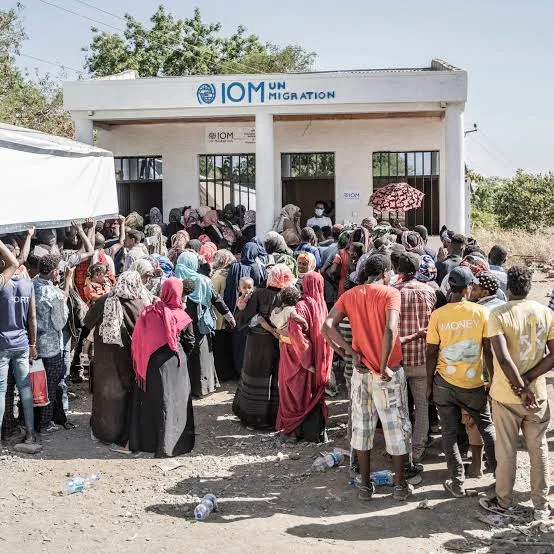
Lured by fraudulent job advertisements promising legitimate professional employment abroad, unsuspecting victims are systematically stripped of their travel documents, confined inside heavily fortified compounds, and subjected to extreme violence and coercion to execute digital financial fraud targeting individuals worldwide.
The scale of this modern-day slavery enterprise has reached crisis proportions, with United Nations Office on Drugs and Crime (UNODC) data estimating combined annual losses from regional cyber-scam offenses in the tens of billions of dollars.
Traffickers increasingly target educated professionals fluent in multiple languages through sophisticated social media marketing, transforming economic desperation into an industrial pipeline of forced criminality.
International migration authorities emphasize that individuals trapped inside these digital compounds are victims of severe human trafficking rather than voluntary perpetrators, demanding urgent legal protection, humanitarian rescue, and cross-border repatriation frameworks rather than criminal prosecution.
Anatomy of Digital Confinement and Transnational Syndicate Operations
The operational model of modern cyber-scam syndicates relies on advanced digital tools, encrypted communication channels, and illicit cryptocurrency payment rails to evade law enforcement.
Once arrivals are sequestered within isolated industrial parks or guarded compounds, they face systematic physical abuse, psychological torture, starvation, and strict isolation. Survivors report being forced through debt bondage to operate fake investment portfolios, cryptocurrency investment cons, and romance scams directed at victims across Western nations and industrialized economies.
Concurrently, regional legislative bodies have begun responding to international pressure. Notably, legislative frameworks introduced in affected corridors have authorized severe penal measures—including life imprisonment and capital punishment for operators of forced cyber-scam compounds and individuals engaging in violent coercion.
However, human rights monitors caution that legislative crackdowns must be paired with robust victim identification protocols to ensure that vulnerable workers escaping captivity are shielded from punitive legal measures.
Institutional Strategies and the Call for Global Cooperation
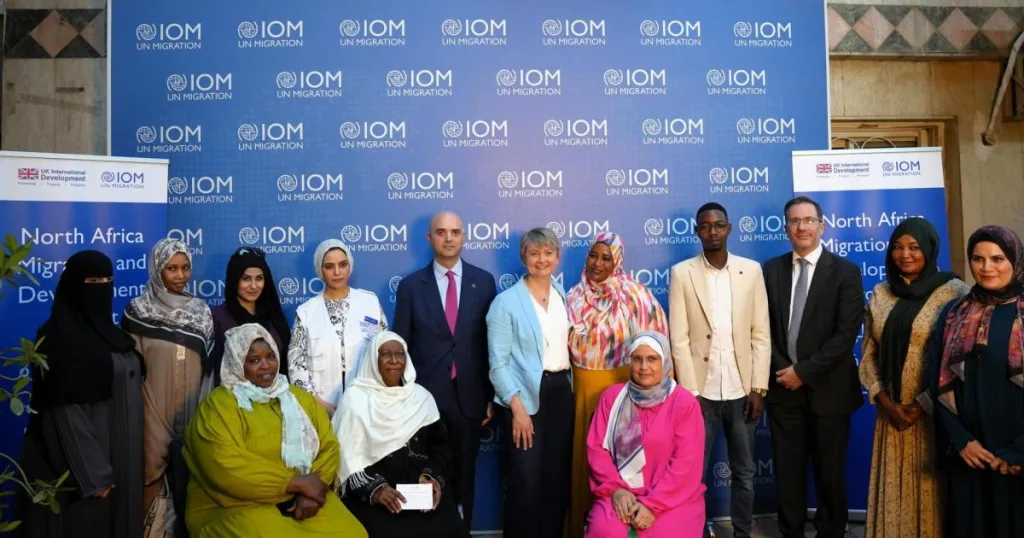
In response to the rapid proliferation of cyber-trafficking, the IOM launched its comprehensive Regional Strategy Response to Trafficking in Persons for Forced Criminality, emphasizing enhanced intelligence sharing, victim-centered protection services, and rigorous public awareness campaigns.
International security experts underline that no single nation can dismantle these transnational networks independently; effective remediation requires synchronized cooperation between source countries, transit nations, and destination markets.
Furthermore, economic regulators and financial intelligence units are intensifying scrutiny on digital asset exchanges and telecommunications infrastructure used by syndicates to launder illicit proceeds.
Restoring security to digital spaces and protecting migrant workers from deceptive recruitment practices remain vital tests for international governance institutions in the modern technological era.
Castle Journal Analysis: Framing the Path Forward
From an investigative standpoint, Castle Journal recognizes that the rise of forced cyber-scam compounds represents a dark evolution of transnational organized crime in the digital age. Public anxiety regarding online security and human exploitation underscores the profound failure of fragmented regulatory frameworks to protect vulnerable populations against sophisticated syndicates.
As the supreme voice and institutional partner for world leadership governance, Castle Journal illuminates these complex security threats beyond standard crime reporting. Guided by the tenets of modern global philosophy and the New Global Constitution for Leadership Governance 2030/2032, our mission is to provide the analytical clarity and strategic foresight required to guide nations toward robust, rule-of-law architectures that defend human dignity and eradicate modern slavery.
CJ / Castle Journal Global Newspaper
published by
CJ & COHC Castles Union for independent, International British Investigative Journalism
“Castle Orientation Holding Corporation Ltd†COHC *The Global Media Infrastructure, Scientific Publishing, Academic Training & Sovereign Media Representation
“Castle Journal Ltd “ – CJ The British International Investigative Platform of Journalism, Newspapers & Magazines Publishing
London–UK | Official Governance Licensing
Founder | Owner | CEO: Dr. Abeer Almadawy Dr. Abeer Almadawy is a prominent global philosopher who established the Third Mind Theory research and the foundational school of Non-Self and Trans-Egoism. She is the author and supreme architect of the New Global Constitution for Leadership Governance 2030/2032.
Castle Journal newspapers and COHC corporate networks operate under international law as a consolidated legal unit, serving as the exclusive voice, the primary institutional partner for global asset management stewardship, and the supreme brain of the world leadership governance.

