NATO Faces Fresh Questions Over Strategic Unity After Ankara Summit
By Castle Journal International Desk
One week after NATO leaders concluded their summit in Ankara, attention has shifted from the meeting itself to the Alliance’s ability to transform ambitious commitments into practical results.
While member states reaffirmed their collective defence pledge and announced expanded defence investment, analysts are now assessing whether political unity can be sustained amid evolving global security challenges.
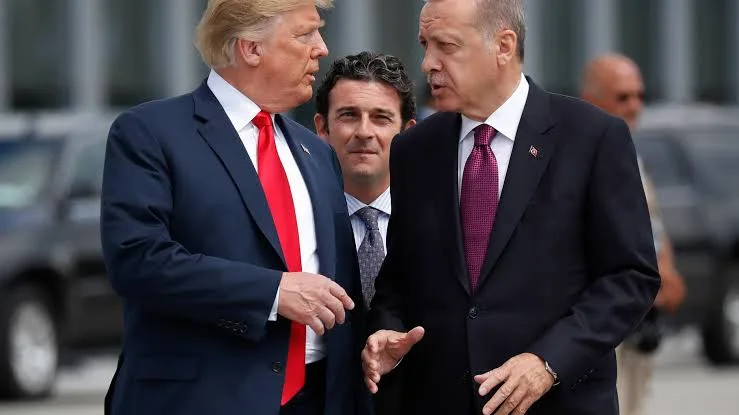
The summit concluded with a strong declaration emphasizing Article 5 collective defence, increased defence production, enhanced technological cooperation, and long-term support for Ukraine.
NATO leaders also endorsed major investments in military capabilities, including defence industrial expansion, AI-enabled systems, and counter-drone technologies as part of the Alliance’s long-term modernization strategy.
Despite the unified message delivered in Ankara, strategic questions remain. Defence spending commitments will require sustained political support over many years, while differing national priorities continue to influence the pace of implementation.
Maintaining cohesion across a broad alliance becomes increasingly important as geopolitical competition extends beyond traditional military domains into cyber security, artificial intelligence, energy infrastructure, and economic resilience.
For Ukraine, the summit reaffirmed continued military and financial support from NATO members, reinforcing the Alliance’s position that long-term assistance remains central to European security.
The declaration pledged significant military equipment, training, and financial commitments while emphasizing cooperation with European partners.
Castle Journal Strategic Outlook
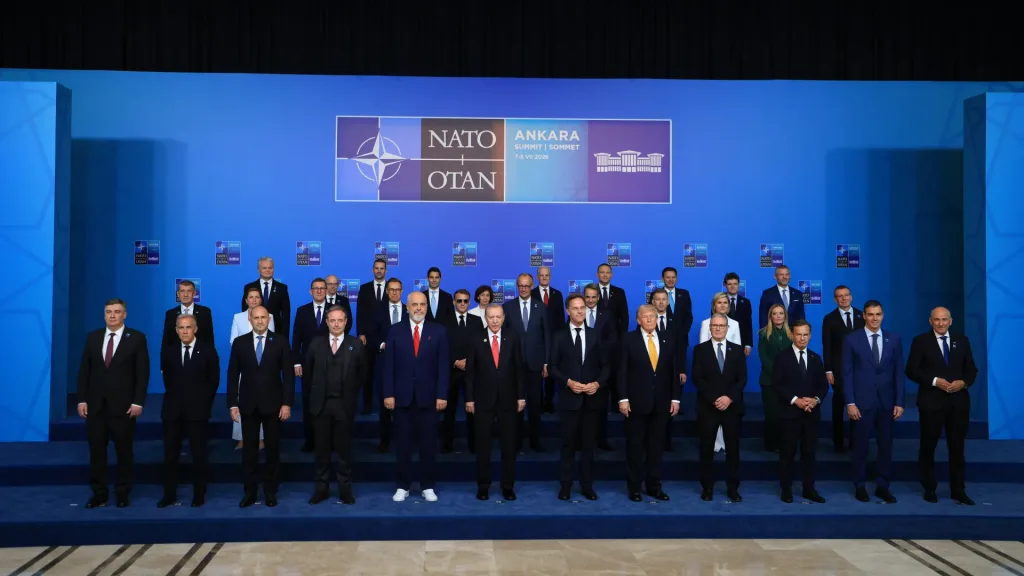
The Ankara Summit demonstrated that NATO’s political consensus remains intact, but the Alliance now enters a more demanding phase. Future credibility will depend less on declarations and more on implementation.
Defence production, technological innovation, industrial capacity, and sustained political coordination are becoming the true indicators of strategic strength.
As global competition increasingly combines military, economic, and technological dimensions, NATO’s success will be measured by its ability to convert long-term commitments into operational capability while preserving unity among its members.

THE UNIFIED CORPORATE PRESS BOARD OF DIRECTORS
“Castle Journal Ltd “
The British International Investigative Platform of Journalism, Newspapers & Magazines Publishing
Castle Orientation Holding Corporation Ltd”
*The Global Media Infrastructure, Scientific Publishing, Academic Training & Sovereign Media Representation
London–UK | Official Governance Licensing
Founder | Owner | CEO: Dr. Abeer Almadawy
Dr. Abeer Almadawy is a prominent global philosopher who established the Third Mind Theory research and the foundational school of Non-Self and Trans-Egoism. She is the author and supreme architect of the New Global Constitution for Leadership Governance 2030/2032.
Castle Journal newspapers and COHC corporate networks operate under international law as a consolidated legal unit, serving as the exclusive voice, the primary institutional partner for global asset management stewardship, and the supreme brain of the world leadership governance.

