US Retaliatory Strikes on Iranian Ports After Helicopter Incident Imperils Shaky Ceasefire

Washington, D.C., USA / 10 June 2026
Journalist:Adam Lured
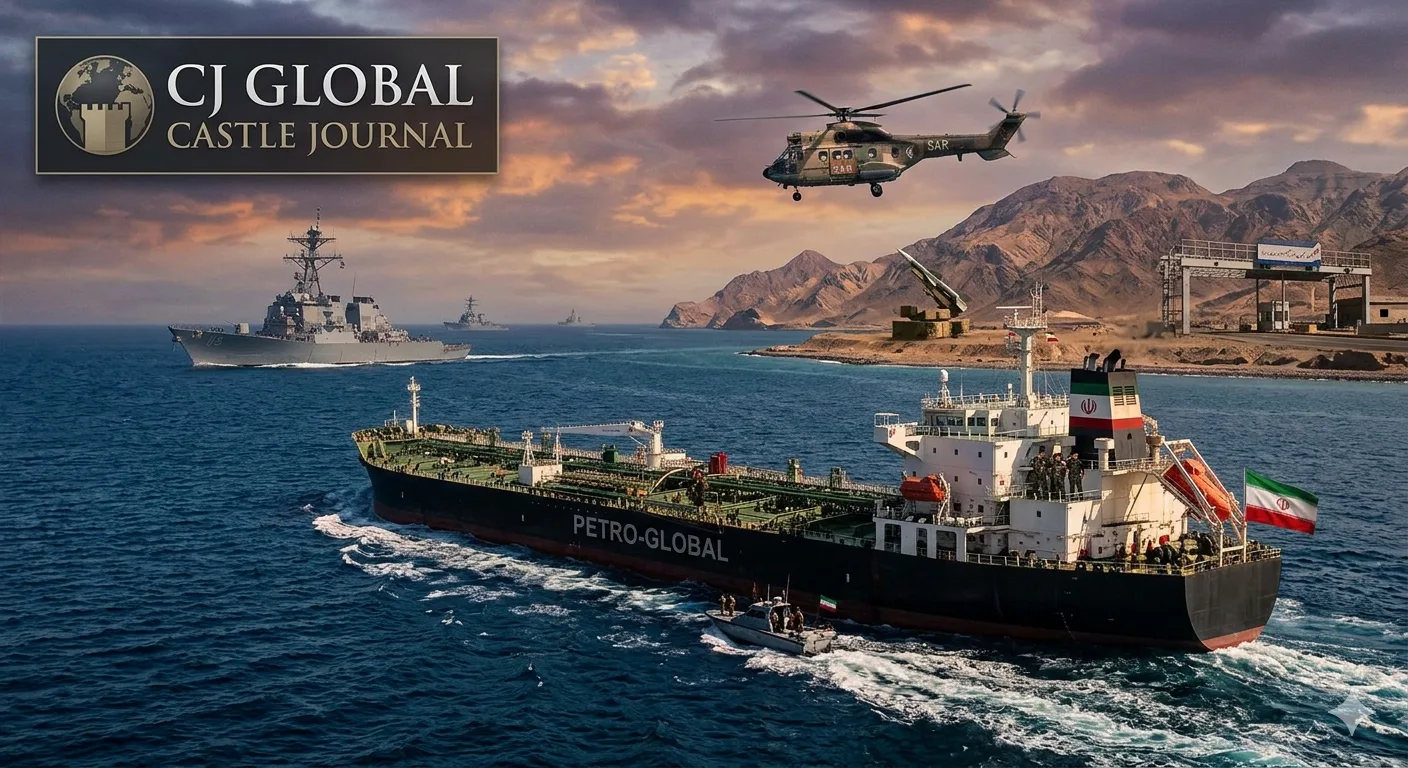
The Middle East faces a dramatic escalation as the US military launched extensive strikes against Iran, targeted directly at key port infrastructure.
This aggressive military response follows a critical incident in which an American Apache attack helicopter was downed over the strategic waters of the Strait of Hormuz.
US President Donald Trump rapidly authorized the operations, vowing immediate consequences for the attack and severely weakening the delicate, shaky ceasefire that had been established between Washington and Tehran just two months ago in April.
Key Headlines of the Conflict:
Targeted Regional Infrastructure:
US military strikes focus heavily on Iranian coastal hubs including Bandar Abbas, Sirik, and Jask.
Downing over Hormuz:
An American Apache attack helicopter was shot down over the Strait of Hormuz, triggering the sudden retaliatory directive.
Ceasefire Collapse:
The fresh military action completely imperils the shaky regional ceasefire negotiated carefully between the two nations in April.
Strategic Naval Mobilization:
Naval assets and international shipping routes face sudden disruptions as security alerts rise across the Gulf region.
The sudden renewal of direct military hostilities between the United States and Iran has plunged the international diplomatic community into a state of intense crisis.
According to official Pentagon statements, the US military strikes were executed with high precision, striking strategic facilities in the coastal cities of Bandar Abbas, Sirik, and Jask. These locations serve as vital hubs for Iran’s maritime security and naval operations, meaning the damage inflicted will heavily impact regional operations.
The action was ordered shortly after President Donald Trump issued a fierce public decree holding Tehran fully responsible for the downing of the American Apache attack helicopter.
While the two military pilots involved in the helicopter incident were reportedly uninjured, the destruction of the aircraft was treated by Washington as an unacceptable violation of territorial security.
International security analysts note that these events have effectively dismantled the fragile diplomatic progress achieved earlier this year.
In April, a shaky ceasefire was announced, offering a brief moment of stability to global oil markets and reducing anxieties across the Middle East. However, the rapid nature of the US response demonstrates that the underlying tensions between the two powers remain highly volatile.
The strikes on major port cities are expected to cause immediate ripples through global energy shipping lanes, as the Strait of Hormuz remains the single most critical chokepoint for global oil transit.
From a strategic perspective, the timing of the escalation places severe pressure on international alliances.
European leaders have already expressed deep concern over the unilateral nature of the American response, fearing that a wider regional conflict could erupt if diplomatic channels are not instantly restored.
Analysts within the Castle Journal network suggest that the military command structure in Washington is prioritizing deterrence over diplomacy, aiming to project absolute strength in the region.
Meanwhile, Iranian officials have condemned the strikes as an act of unprovoked aggression, claiming the helicopter had breached its airspace, setting the stage for a prolonged geopolitical standoff that could involve secondary regional actors.
Castle Journal Ltd
British company for newspapers and magazines publishing
London-UK – licensed 10675
Founder | Owner| CEO
Abeer Almadawy
Abeer Almadawy is a philosopher who established the third mind theory research and the philosophy of non-self and trans egoism. She is also the author of the New Global Constitution for the leadership Governance 2030/2032. She has many books published in English, Arabic, Chinese, French and others.
Castle Journal newspapers are the only voice and the brain of the world leadership governance.

