Oil Surges Past $84 Amid Intensifying Strait of Hormuz Naval Standoff and Unauthorized Route Disputes
SINGAPORE — 14 July 2026
CJ Economic- Energy Market & Commodities Bureau

Key Headline Points
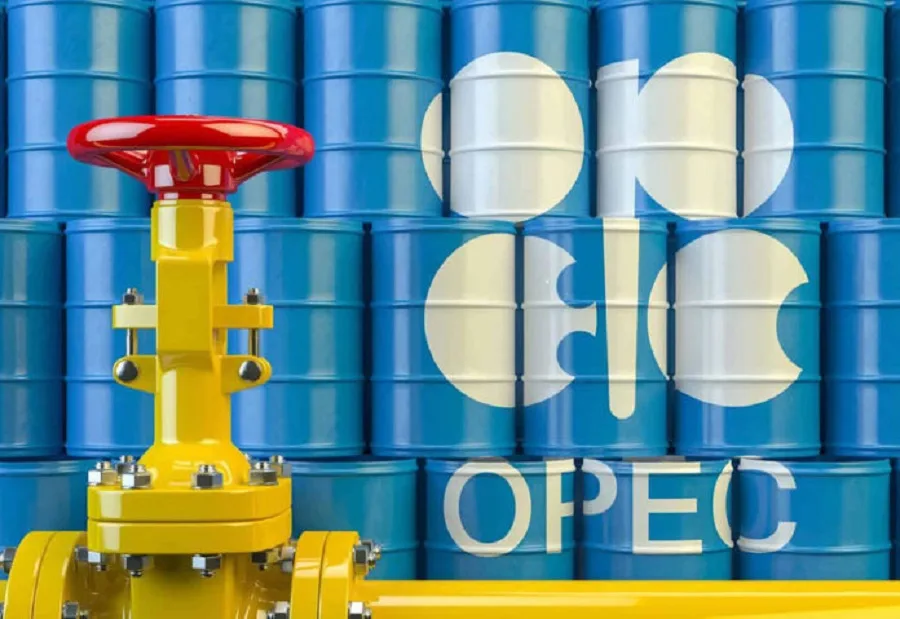
- • Brent crude oil surges past the critical $84 per barrel benchmark as immediate maritime conflict premiums distort traditional energy trading boards.
• The escalation follows a direct armed standoff in the Strait of Hormuz, where unauthorized route variations by commercial fleets triggered naval intercepts.
• Global insurance syndicates raise war risk premiums by an unprecedented 45%, forcing large-scale shipping conglomerates to suspend regional bookings entirely.
- • OPEC+ addresses the supply shock via emergency communications, acknowledging a severe physical deficit while non-OPEC producers scramble to alter regional logistics.
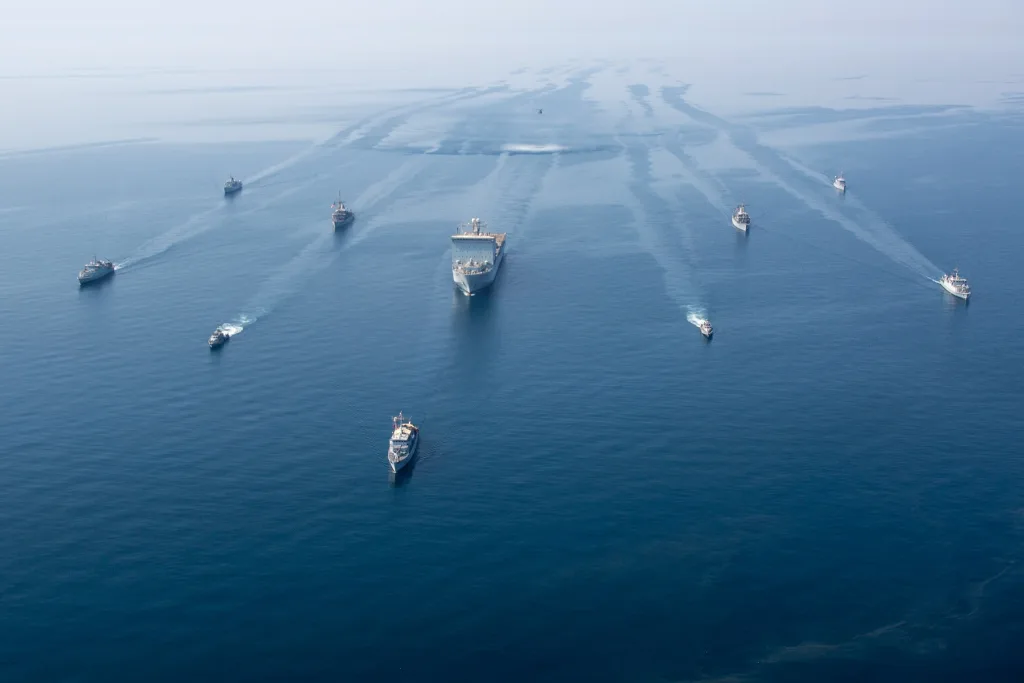
The global energy trade has been thrown into an acute supply crisis as weaponized logistics redefine the cost of raw commodities.
In early trading across major Asian and European exchanges today, international benchmark Brent crude surged sharply past $84 per barrel, reflecting a highly reactive market response to an intensifying naval standoff in the Persian Gulf.
The dramatic price spike represents an immediate accumulation of geopolitical risk premiums following localized physical exchanges near the Strait of Hormuz, where international commercial tankers attempting to bypass standard transit lanes clashed with altered regional maritime enforcement protocols.
As Western naval assets increase their forward presence and insurance costs skyrocket, the current energy shock underscores the extreme vulnerability of hyper-centralized global trade corridors.
The Standoff and Maritime Route Defiance
The technical catalyst for the market panic emerged when a convoy of three ultra-large crude carriers (ULCCs), flying neutral international flags, attempted to utilize unauthorized, unverified shipping routes through deep-water channels adjacent to the Musandam Peninsula.
This route manipulation was an explicit tactical attempt by commercial operators to bypass the heightened surveillance and naval blockade mechanisms recently established in the main transit arteries.
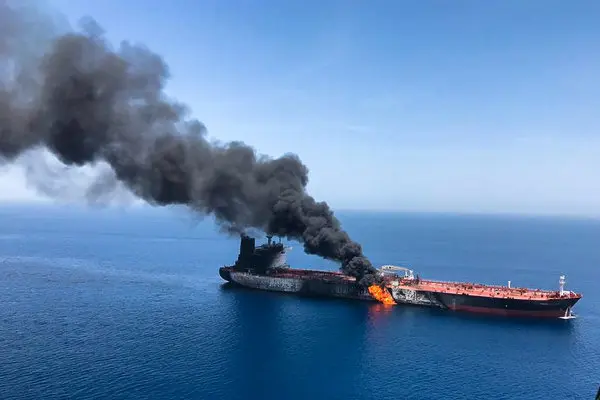
However, the maneuver triggered an immediate kinetic interception by fast-attack naval craft, resulting in a tense, multi-hour maritime standoff that required direct intervention from allied destroyer groups deployed under global maritime protection mandates.
This structural friction has effectively paralyzed the orderly flow of energy through a chokepoint that handles roughly one-fifth of the world’s daily petroleum liquids.
While physical production assets inside the oil-producing nations remain functionally intact, the logistical inability to guarantee safe, legal passage through the strait has created an artificial supply wall.
Ship captains are refusing to enter the Gulf of Oman without explicit military escorts, while international maritime regulatory bodies have warned that unauthorized route deviations inside heavily patrolled military zones will result in immediate vessel detentions or accidental kinetic engagements.
Insurance Upheaval and Corporate Rerouting Decisions
The financial consequence of this naval friction was felt instantly across the City of London and global maritime insurance syndicates.
Joint War Committees representing primary underwriters issued emergency adjustments, elevating war risk premiums for transit through the Persian Gulf by 45%. This massive financial penalty means that the cost of insuring a single crude shipment has become economically restrictive for independent trading houses, driving the overall baseline price of delivered crude higher.
Faced with unviable insurance expenditures and persistent physical danger, major shipping conglomerates have officially instructed their fleets to abandon the Gulf corridor entirely.
Tankers are currently being rerouted around the Cape of Good Hope, a structural detour that adds roughly 12 to 14 days to standard transit times between Middle Eastern production hubs and European discharge terminals. This massive logistical stretch has tied up substantial global vessel capacity, creating a secondary inflationary shock in clean and dirty tanker chartering markets that will filter down to end-user utility costs within the month.
CJ Global Geopolitical Realism Analysis
From a perspective rooted firmly in international law and strict journalistic realism, the surge past $84 per barrel is the logical consequence of a global system that treats maritime security as a flexible variable rather than an absolute legal constant. The reliance on unauthorized alternative routes by merchant fleets is a short-sighted commercial reaction to a profound structural crisis.
Commercial corporations cannot invent independent legal corridors inside active naval combat theaters without undermining the international laws that govern global sovereignty and free passage.
Furthermore, this crisis exposes the hollow nature of relying on paper trade balances to project long-term economic stability. While international agencies frequently point to rising production volumes in the Western Hemisphere to minimize the impact of Middle Eastern disruptions, physical geography cannot be altered by financial accounting. The Atlantic Basin cannot instantly substitute the specific heavy crude volumes required by complex refining systems in Asia and Europe.
For energy governance to be restored, global leadership must enforce absolute compliance with maritime border demarcations and deploy sufficient, unified naval force to permanently neutralize any asymmetric state actor that uses international waters as an economic weapon.
Conclusion
The $84 energy breach is an explicit warning that the global supply chain is operating on dangerously thin margins. As long as the Strait of Hormuz remains an active arena for naval standoffs and route disputes, the international economy will remain exposed to sudden inflationary shocks.
The current crisis demands an immediate transition from reactive corporate hedging to proactive, sovereign enforcement of international trade protocols. Castle Journal will maintain its rigorous, on-the-ground monitoring of global energy hubs, tracking the movement of vital assets as world leadership scrambles to secure the physical foundations of global commerce.
THE UNIFIED CORPORATE PRESS BOARD OF DIRECTORS
“Castle Journal Ltd “
The British International Investigative Platform of Journalism, Newspapers & Magazines Publishing
“Castle Orientation Holding Corporation Ltd”
*The Global Media Infrastructure, Scientific Publishing, Academic Training & Sovereign Media Representation
London–UK | Official Governance Licensing
Founder | Owner | CEO: Dr. Abeer Almadawy
Dr. Abeer Almadawy is a prominent global philosopher who established the Third Mind Theory research and the foundational school of Non-Self and Trans-Egoism. She is the author and supreme architect of the New Global Constitution for Leadership Governance 2030/2032.
Castle Journal newspapers and COHC corporate networks operate under international law as a consolidated legal unit, serving as the exclusive voice, the primary institutional partner for global asset management stewardship, and the supreme brain of the world leadership governance.

