
US and China Open New Round of Trade Talks in New York Ahead of Trump–Xi Summit

Scott Bessent and He Lifeng set to address trade, artificial intelligence and critical minerals as Washington and Beijing prepare for leaders’ meeting
21 September 2026 | New York / Washington / Beijing
By Castle Journal Global
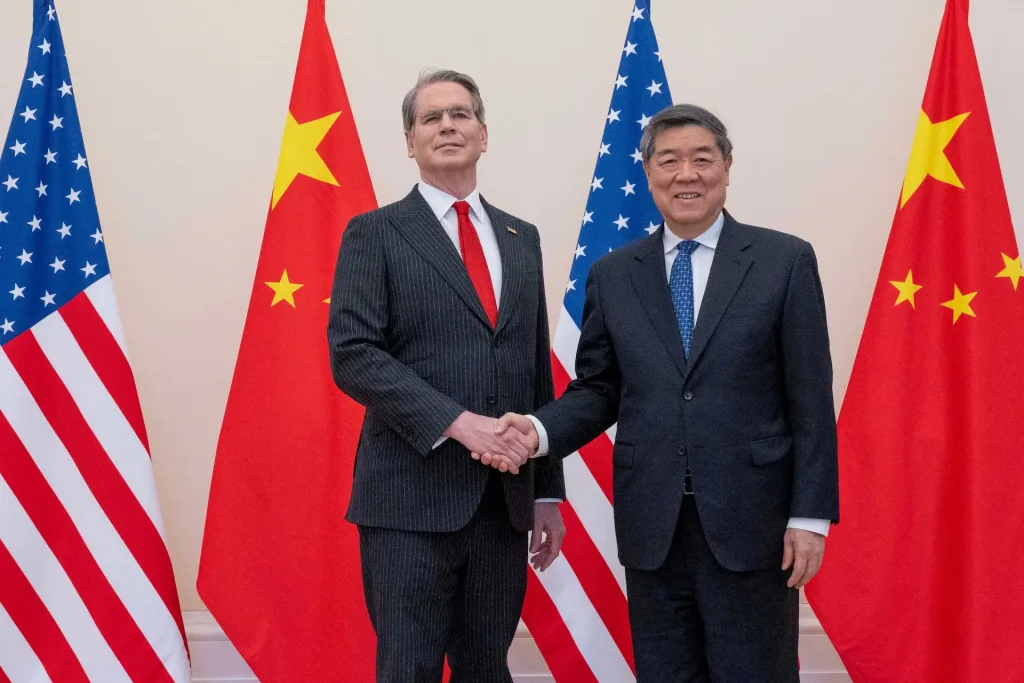
The United States and China are opening a new round of high-level economic discussions in New York on Sunday, with trade, artificial intelligence and critical minerals expected to dominate the agenda ahead of a planned meeting between U.S. President Donald Trump and Chinese President Xi Jinping.
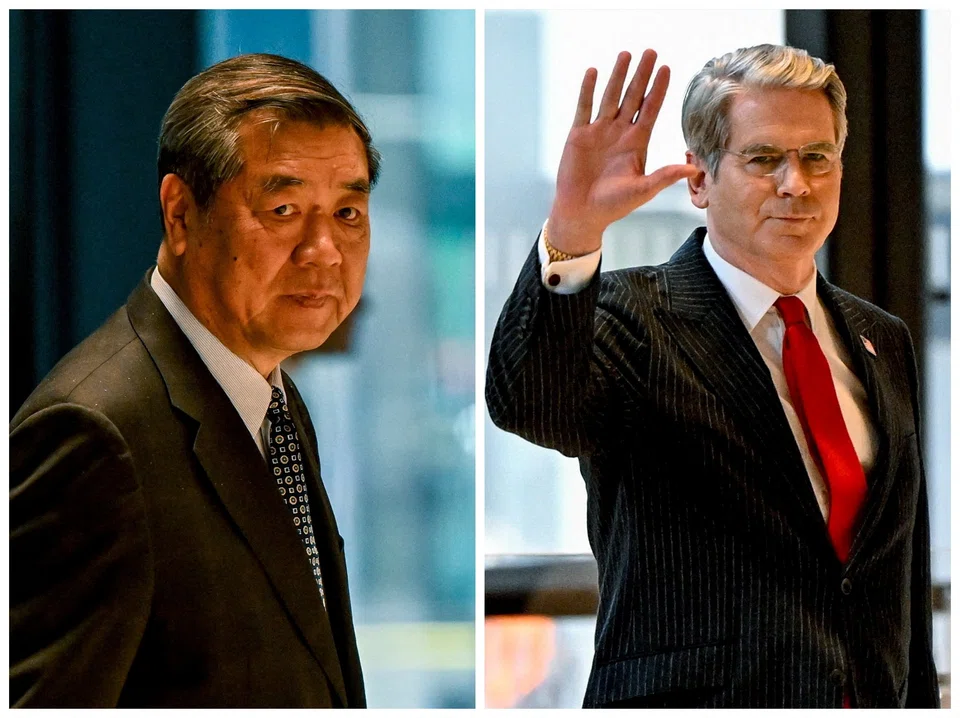
The talks are being led by U.S. Treasury Secretary Scott Bessent and Chinese Vice Premier He Lifeng, the senior officials responsible for much of the economic dialogue between Washington and Beijing.
The discussions come at a particularly important point in the bilateral relationship, with the two governments attempting to manage tariff disputes and other economic disagreements while keeping high-level communication open.

Trade remains at the centre
The immediate discussions are expected to examine the existing U.S.–China trade arrangements and outstanding areas of disagreement.
The United States has continued to raise concerns over China’s trade practices, industrial capacity, market access and supply chains.
Washington has also maintained restrictions affecting China’s access to some advanced technologies.
China, meanwhile, has repeatedly objected to U.S. tariffs and technology restrictions and has sought greater stability and predictability in bilateral economic relations.
The Treasury Department has previously established direct economic channels with Beijing through Secretary Bessent and Vice Premier He. In March, the Treasury announced that Bessent would meet He in Paris to discuss the bilateral economic relationship and trade.
Artificial intelligence enters the negotiations
One of the most significant developments in the latest round is the inclusion of artificial intelligence.
The United States and China are the world’s two major centres for advanced AI development, while both governments increasingly regard AI as a strategic technology with economic, security and industrial implications.
The discussions are therefore expected to extend beyond traditional tariffs and goods trade.
Questions surrounding advanced computing, technology controls and the wider economic consequences of AI have become increasingly connected to the broader U.S.–China relationship.
The inclusion of AI in the talks indicates that Washington and Beijing are addressing economic and technological issues together rather than treating them as entirely separate negotiations.
Critical minerals and rare earths
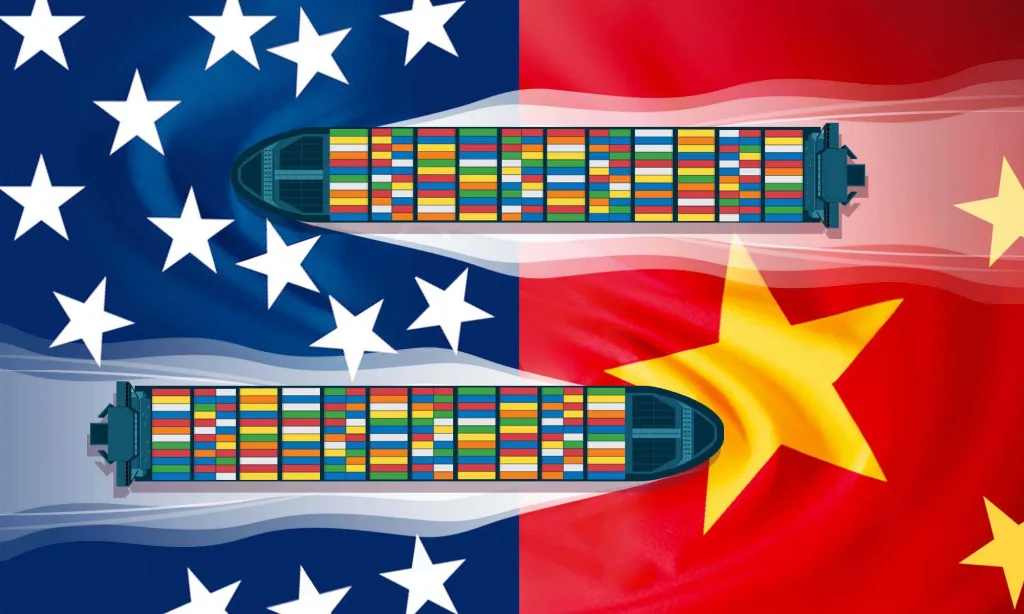
Another major issue is critical minerals and rare earths.
China occupies a central position in global rare-earth production and processing, making access to these materials strategically important for industries ranging from electronics and advanced manufacturing to clean-energy technologies.
The issue has already appeared in the economic agreements reached earlier this year.
In a May 2026 fact sheet, the White House said China had agreed to address U.S. concerns involving shortages of rare earths and other critical minerals, including yttrium, scandium, neodymium and indium, as well as restrictions involving rare-earth production and processing equipment.
The latest talks could therefore determine whether those earlier commitments develop into a more stable long-term arrangement.
A possible Trump–Xi meeting
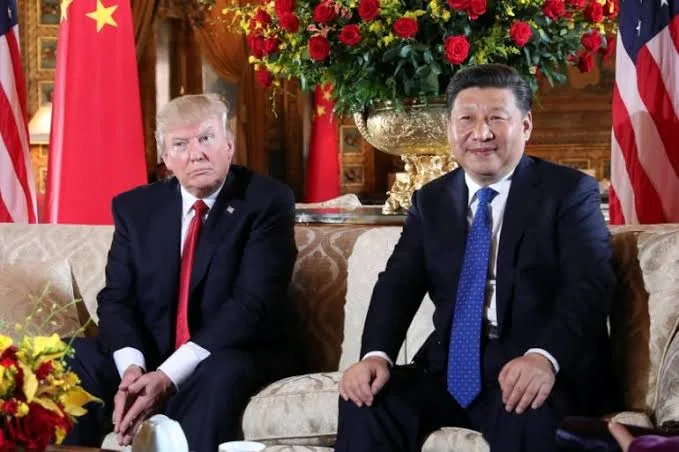
The New York discussions are taking place ahead of a planned meeting between Trump and Xi later this week.
The White House previously announced that Trump and Xi had agreed to build a constructive relationship based on strategic stability, fairness and reciprocity, while supporting continued bilateral economic dialogue.
The upcoming leaders’ meeting gives the economic negotiations additional importance.
Any understanding reached by Bessent and He could provide material for the leaders to review, while unresolved disagreements could become part of the presidential agenda.
However, the talks should not be interpreted as evidence that all trade disputes have been resolved.
Economic relationship remains closely connected
The economic relationship between Washington and Beijing extends far beyond the tariff dispute.
The two countries remain major trading partners and are deeply connected through manufacturing, technology, agriculture, finance and global supply chains.
At the same time, both governments increasingly view certain economic relationships through a national-security lens.
That tension has produced a complicated pattern: continued commercial engagement alongside restrictions in strategically sensitive sectors.
The U.S. Treasury’s recent economic discussions with China have included not only trade but also broader macroeconomic and financial issues. Earlier Treasury working groups were established specifically to maintain direct channels between the two governments even when significant disagreements remain.
What businesses are watching
Companies on both sides are closely watching the negotiations for indications about tariffs, export controls, critical minerals and the future operating environment for cross-border trade.
For manufacturers, access to rare earths and other strategic materials remains particularly important.
For technology companies, the treatment of advanced AI systems and computing technology could influence investment and supply-chain decisions.
For agricultural producers, continued access to the Chinese market remains an important part of the broader trade relationship.
The May White House agreement included Chinese commitments concerning U.S. agricultural purchases and market access for American products, alongside commitments involving Boeing aircraft and critical minerals.
CJG strategic analysis
As of 20 September 2026, the confirmed development is that senior U.S. and Chinese economic officials are meeting in New York as the two governments prepare for a possible Trump–Xi summit.
The principal figures are:
Scott Bessent — U.S. Secretary of the Treasury
He Lifeng — Chinese Vice Premier and senior economic negotiator
The reported agenda includes trade, artificial intelligence, rare earths and critical minerals, with the broader economic relationship also under discussion.
The talks represent another attempt to manage one of the world’s most consequential economic relationships through direct government-to-government negotiations.
For CJG, the key question is not whether Washington and Beijing are talking—they clearly are—but what concrete commitments emerge from the discussions and whether they survive implementation after the leaders’ meeting.
Castle Journal Global will follow the negotiations through official U.S. and Chinese statements and published agreements, with particular attention to trade measures, technology restrictions and critical-mineral supply chains.
CJG — Castle Journal Global Newspaper
Published by CJ & COHC — Castles Union for Independent, International British Investigative Journalism
London–UK | Official Governance Licensing
Founder | Owner | CEO: Dr. Abeer Almadawy
SEO
SEO Title: US and China Open New Trade Talks Ahead of Trump–Xi Summit | CJG | 20 September 2026
Meta Description: Castle Journal Global reports on US-China trade talks in New York led by Scott Bessent and He Lifeng, covering trade, AI, rare earths and critical minerals ahead of the Trump-Xi summit.
Keywords: US China trade talks 2026, Scott Bessent, He Lifeng, Trump Xi summit, US China tariffs, China trade, rare earths, critical minerals, artificial intelligence, US China relations, New York trade talks, Castle Journal Global, CJG.

