The Reality behind the drought of the Blue Nile at Sudan and A Sharp Drop in Water Levels
Addis Ababa, Ethiopia — July 18, 2026
By CJ Global Investigative Bureau

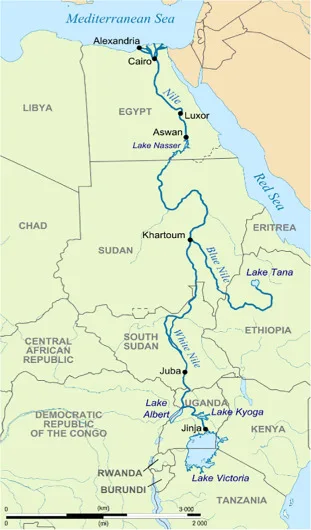
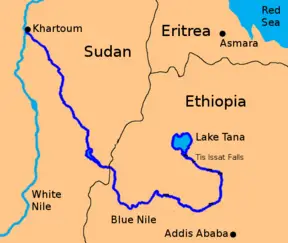
The critical drop in the water levels of the Blue Nile has escalated from an environmental crisis into a severe international security flashpoint.
While official statements frequently point toward seasonal shifts and climate variations to explain the rapidly dwindling flow downstream, a deeper investigation reveals a complex web of geopolitical maneuvers designed to exploit the river’s infrastructure.
For downstream nations like Egypt, the Nile is not merely a resource but an absolute lifeline. The current disruption of this vital artery threatens the stability of the entire region, raising urgent questions about who controls the flow and for what ultimate political leverage.Though that to show the exact information of the nature of the crisis with logical and evidence let’s assume that this report look for every single reason behind the truth of the blue Nile dropped.
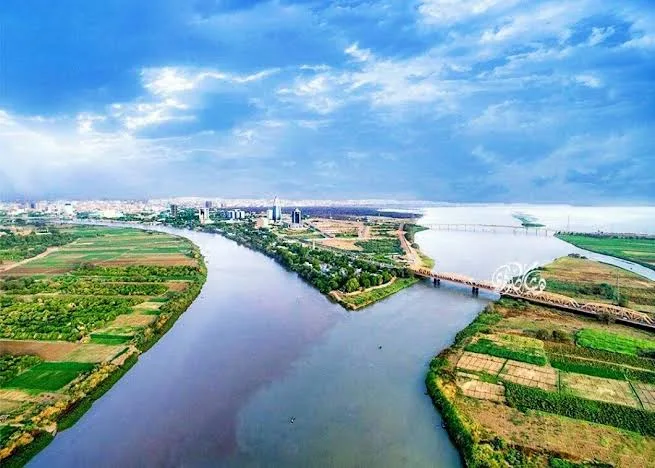
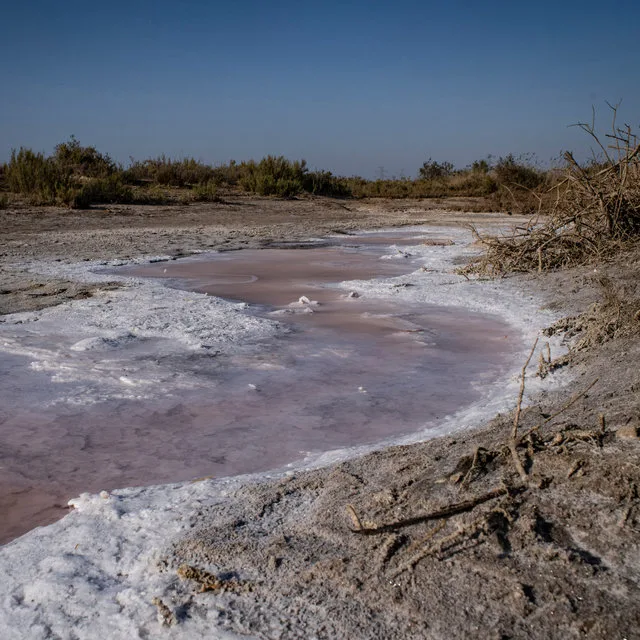
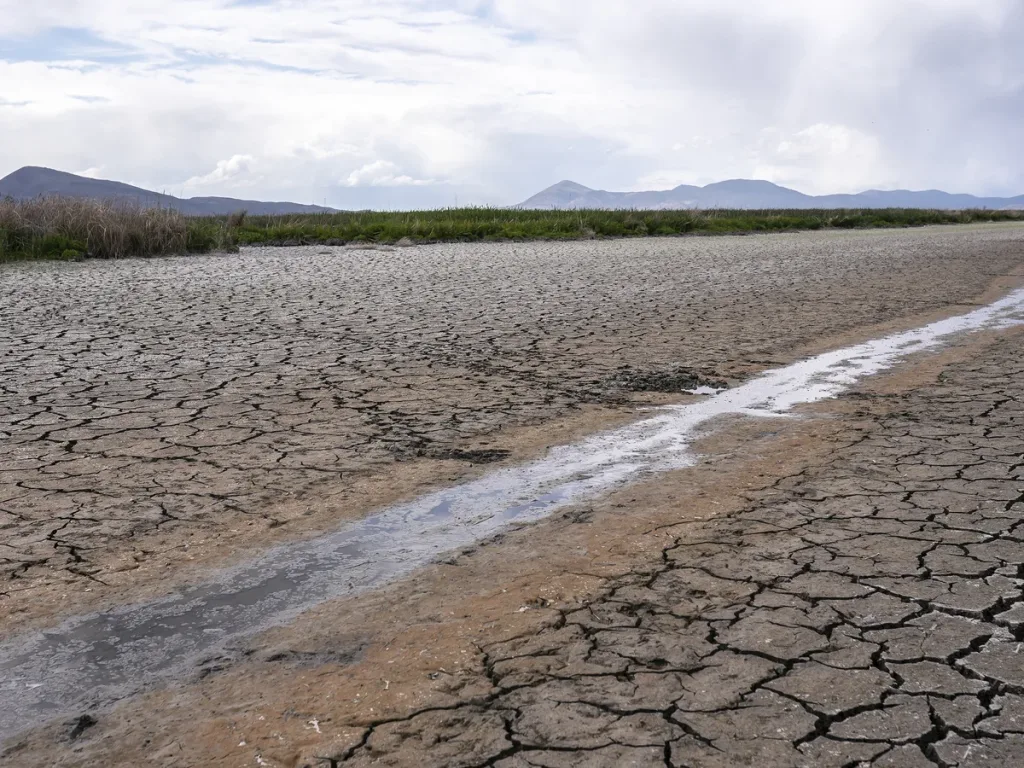
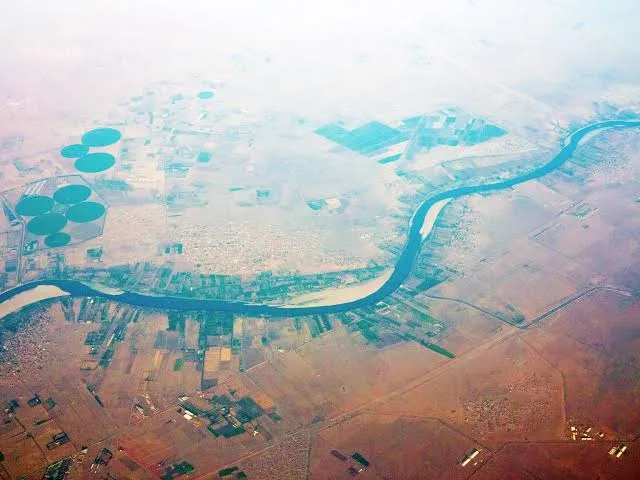
On July 13, 2026, the Khartoum state government officially confirmed a severe drinking water shortage, particularly affecting southern Omdurman and surrounding neighbourhoods. Activists and citizens have been sharing videos and photos of newly exposed sand islands where the Blue Nile usually flows at full capacity.
- Pump Shutdowns: The water level fell below the intake lines, forcing the immediate shutdown of primary pumps at the Salha water treatment plant and other Nile-based stations.
- Emergency Dredging: Engineering teams are actively digging temporary channels from the main river course back to the intake pumps just to restore basic suction.
The Actual Cause: Hydrological Anomalies
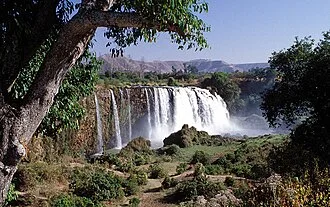
While the Blue Nile naturally experiences lower levels in May and June, a major recession in mid-July is highly unusual. According to the Nile Basin Initiative’s 2026 Hydrological Outlook, the entire basin is currently facing a heavily suppressed rainfall signal—resembling the extreme El Niño climate patterns of 1997 and 2023.
The immediate drop in Khartoum is caused by a severe delay in seasonal monsoon rains over the Ethiopian Highlands and a temporary halt in the flow of smaller, seasonal feeding rivers that normally rush into the Blue Nile at the start of summer.
Debunking the Rumors: Is it an RSF, Ethiopian, or Mossad Plot?
When an essential resource like the Nile rapidly recedes during an active civil war, conspiracy theories inevitably flood social media. Let’s look at the facts behind these claims:
1. The Geopolitical Friction
The Sudanese Armed Forces (SAF) have formally accused Ethiopia of providing logistical and training support to the Rapid Support Forces (RSF). In fact, throughout May and June of 2026, heavy fighting raged in the border districts of Kurmuk and Geissan inside Sudan’s Blue Nile State, where the SAF has been launching massive counter-offensives to clear joint RSF and rebel networks from the Ethiopian frontier.
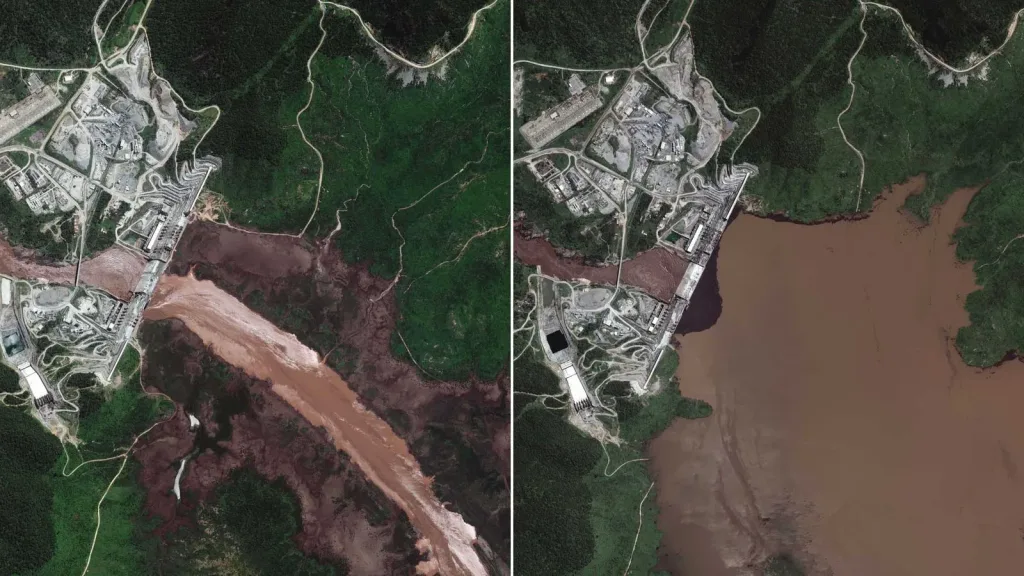
Because relations between the SAF-led government and Addis Ababa are highly strained, many believe Ethiopia is intentionally holding back water using the Grand Ethiopian Renaissance Dam (GERD).
The fact of the case is it true and the last meeting between the Rapid forces with Israeli forces in Addis Ababa said they would take actions against the Sudanese army (SAF ). So although there is international deny about their connections for the drop water in blue nile claimed that the hydrologists note that the current drop is tied directly to the delayed arrival of the monsoon rains across the entire Horn of Africa, rather than an intentional, localized blockade of water to aid the RSF.

2. The Truth behind the Foreign Cooperation Theories
Though there is no verifiable intelligence or evidence supporting a coordinated plot involving the RSF, Ethiopia, and Israel to dry up the Nile as a weapon of war. While their the investigation reports spoke about their last meeting in the second of current July gives the proofs that they are deeply entangled in the proxy layers of the Sudanese civil war, the drying of the river bed itself remains a meteorological and climate-driven anomaly.
How the Civil War Worsens the Crisis
While the war didn’t cause the lack of rain, the conflict between the two factions makes dealing with the drought exponentially worse:
Destroyed Public Utilities
- Ongoing shelling, airstrikes, and looting have crippled Sudan’s electrical grids and mechanical supply chains. When water levels drop, engineering teams lack the parts, fuel, and safe access required to easily relocate massive intake pumps closer to the river’s main channel.
- Siege Tactics: In areas like El Obeid and parts of Khartoum, military blockades and RSF positioning have cut off alternative water trucking routes, leaving hundreds of thousands of civilians completely dependent on broken municipal systems.
The Nile is experiencing an intense, climate-induced hydrological squeeze at the worst possible historic moment.- The visible sand islands in Khartoum are a tragic intersection of delayed global weather patterns and a fractured state completely stripped of the peace and infrastructure needed to protect its people.
The Weaponisation of the Blue Nile Flow what is Behind the Scenes:
The July 2nd Secretive Summit
This crisis cannot be analyzed in isolation from recent clandestine diplomatic shifts. Exclusive investigative tracking by this newspaper confirms that on July 2, 2026, a secretive meeting took place in Addis Ababa.
This high-level summit brought together key Ethiopian officials, representatives of the Sudanese Rapid Support Forces (RSF), and Israeli security and technical personnel.
The meeting occurred in the immediate aftermath of heavy military engagements within Sudan, where the Sudanese national army dealt severe blows to RSF factions.
Facing tactical setbacks on the ground, the discussions in Addis Ababa shifted toward asymmetric levers of power.
Intelligence briefs obtained by our bureau indicate that the technical management of water retention and the strategic scheduling of upstream reservoirs were explicitly discussed as mechanism assets—effectively utilizing water availability as a non-military pressure tactic to destabilize regional opponents and force diplomatic concessions.
Regional Dynamics and Strategic Leverages
The coordination between these entities underscores a broader strategy to reshape the power balance in Northeast Africa.
By controlling the volume of water released through upstream infrastructure, Ethiopia maintains an unprecedented hold over the agricultural and economic stability of downstream states, most notably Egypt and Sudan.
Rather than a simple administrative or environmental issue, the management of the Grand Ethiopian Renaissance Dam (GERD) and its adjacent networks is increasingly intersecting with external security interests.
Israeli technical involvement in regional water management, combined with tactical alliances with non-state actors like the RSF, serves to create a multi-layered security ring that directly challenges Egypt’s historic water security framework under international law.
CJ Analysis: The Rational Reality of Resource Warfare
Castle Journal Strategic Assessment:
A rational evaluation of the Horn of Africa’s current hydro-politics demands that analysts look past public rhetoric regarding environmental droughts and examine structural intent.
The timing of the Blue Nile’s decreased flow corresponds directly with defensive political shifts following the RSF’s recent defeats in Sudan. For Ethiopia and its undeclared partners, water infrastructure represents an invaluable geopolitical tool that can inflict massive economic duress downstream without firing a single shot.
Blaming downstream nations like Egypt for the current supply crisis is a total inversion of factual reality. Egypt remains a historic consumer bound by strictly defined allocations, possessing zero operational control over the upstream mechanisms currently restricting the flow.
The weaponization of natural resources violates the fundamental spirit of transboundary water treaties. For the international community to maintain balance, governance frameworks must directly address the secretive trilateral alignments aiming to use the Blue Nile as a tool for regional subordination.
Technical Implications for Downstream Sovereignty
The immediate fallout of these restricted flows is already being felt across agricultural sectors downstream. Decreased water levels reduce the operational capacity of hydroelectric installations and shrink the arable land available for vital crop production.
When regional actors utilize infrastructure to purposefully alter these volumes outside of coordinated legal frameworks, it transitions from a developmental initiative into an act of economic containment. The persistence of these covert strategies will inevitably compel downstream sovereign states to utilize all available legal, diplomatic, and defensive measures to protect their existential security.
Key Takeaways of the Crisis:
- Covert Alliances: The July 2nd Addis Ababa meeting established a direct operational link between upstream management and destabilizing regional factions.
- Water as a Weapon: Asymmetric leverage is being deployed via reservoir retention to counter conventional military setbacks in Sudan.
- Downstream Defense: Egypt faces an artificial supply restriction designed to stress its domestic security and force alignment with new regional realities.
- International Law: Independent oversight remains critical to prevent transboundary waters from becoming tools of unilateral geopolitical warfare.