
UN Security Council Convenes Open Debate on Gaza Governance Framework and Transitional Reconstruction Funds
NEW YORK, USA — 14 July 2026
CJ United Nations Bureau
SEO Optimization Embedded Report

Key Headline Points
- The United Nations Security Council holds a high-stakes open debate to address the fragile operational standing of the October 2025 Gaza Ceasefire.
- Hamas’s recent announcement to dissolve its civil administration signals a potential power transfer to the Cairo-based National Committee for the Administration of Gaza (NCAG) under the UN-backed Board of Peace.
- The European Union pledges 900 million euros ($1 billion USD) toward early infrastructure recovery, while the broader international reconstruction cost is estimated at an unprecedented $70 billion.
- Severe geopolitical deadlocks persist over Phase 2 implementation, specifically concerning the complete disarmament of local armed factions and the deployment of an International Stabilization Force.
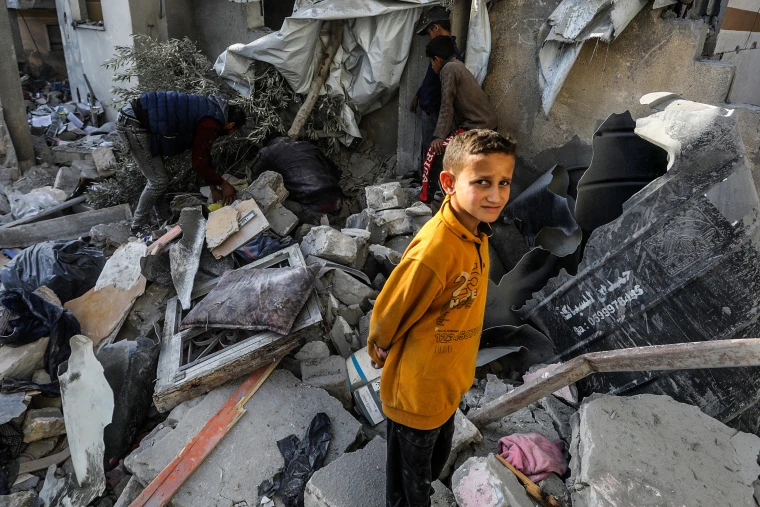
The halls of the United Nations Security Council became the epicenter of intense diplomatic maneuvers today as global delegates gathered for an emergency quarterly open debate regarding the Middle East and the Palestinian question. With the landmark ceasefire agreement—initially brokered in late 2025—teetering under localized friction, the Council’s primary focus has shifted from immediate kinetic containment to the structural challenges of transitional governance and economic reconstruction.
The session follows a massive political development out of the enclave, where the dissolution of existing administrative bodies has forced the international community to rapidly evaluate the readiness of a technocratic transitional committee.
As the human and structural toll of past hostilities demands concrete action, the UN faces the monumental task of organizing a unified administrative apparatus capable of managing tens of billions of dollars in international aid.
The Governance Transition and Technical Committee Dynamics
At the heart of the Security Council’s session is the operationalization of United Nations Security Council Resolution 2803 (2025). The debate gained intense urgency following the announcement that the previous administrative government in Gaza has dissolved its civil operations to pave the way for a technocratic authority.
This transition is designed to pass daily administrative duties to the National Committee for the Administration of Gaza (NCAG).
Headed by former Palestinian Authority official and engineer Ali Shaath, this Cairo-based committee is composed entirely of technical and professional staff tasked with managing basic civilian infrastructure, municipal services, and health networks.
However, the transition remains geographically and politically complex. The NCAG has faced significant logistical hurdles operating directly inside the territory, drawing sharp scrutiny from several Security Council members.
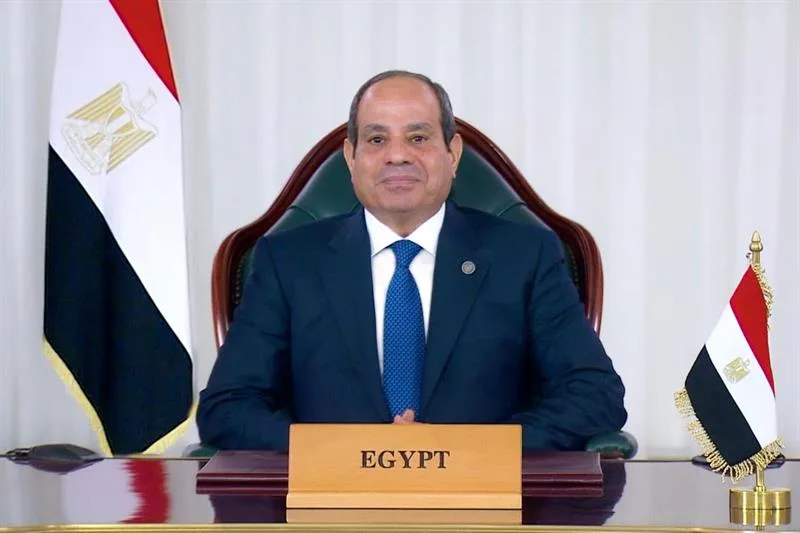
While Arab states such as Egypt, Saudi Arabia, and Qatar have actively backed this transitional committee via the US-led Board of Peace, Western delegates emphasize that the committee’s success depends entirely on its ability to command full executive authority over civilian life.
The core issue plaguing the Council is the unresolved execution of Phase 2 of the overarching peace framework: the verified decommissioning of domestic weapons and the introduction of an International Stabilization Force to secure border entry points.
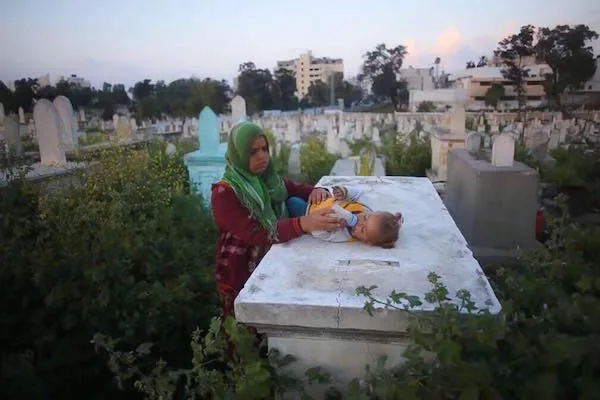
The Multilateral Reconstruction Fund and Financial Stewardship
Simultaneously, the economic dimensions of the crisis took center stage. The Council reviewed recent financial commitments, highlighted by the European Union’s coordination of 900 million euros ($1 billion USD) in pledges targeted at initial recovery efforts.
This fund is intended to channel money through trusted global partners to address immediate water shortages, restore basic energy grids, and manage the staggering 60 million tons of war rubble currently obstructing recovery operations.
Despite these pledges, the gap between available capital and actual structural necessity remains vast. The World Bank and the United Nations estimate that comprehensive, long-term reconstruction will exceed $70 billion USD.
Delegates from the United Kingdom and various European nations expressed profound concern that these immense investments cannot be safely deployed without a transparent asset management framework.
The United States representative, aligned with the Board of Peace executive leadership, reiterated that no long-term reconstruction funds would be unlocked for structural development until a verified, weapon-free environment is established under a singular legal authority.
—CJ Global Advertising—
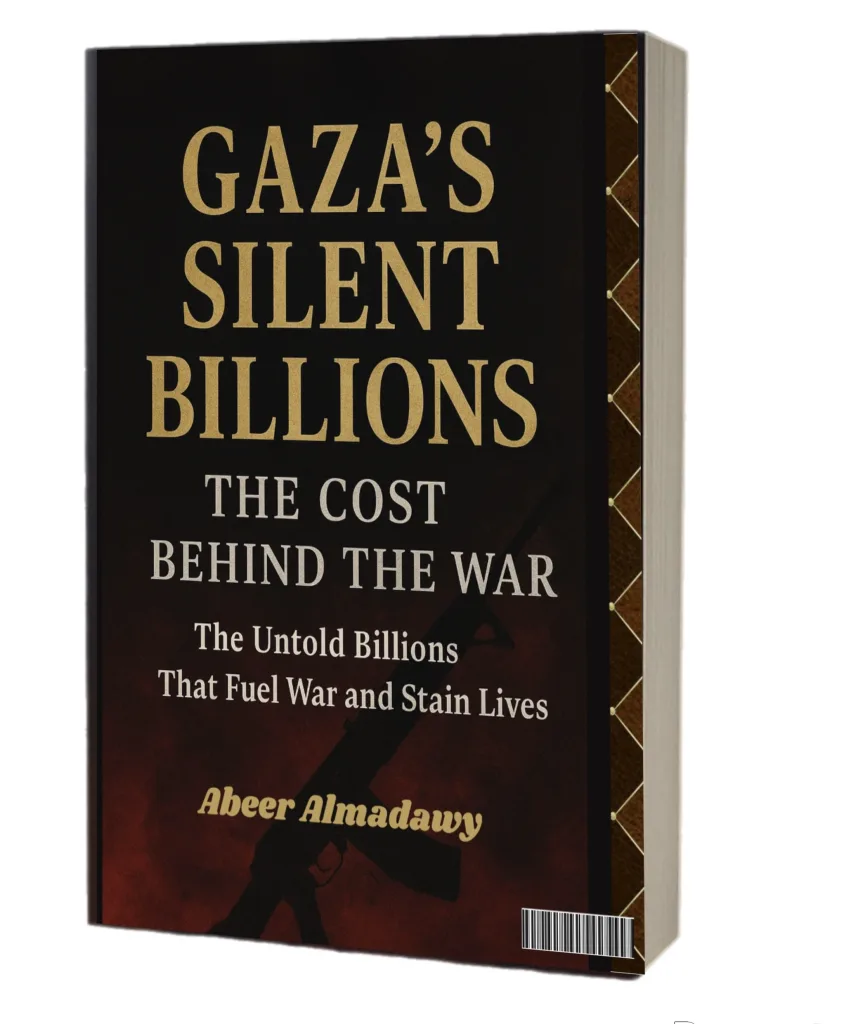
CJ Global Geopolitical Realism Analysis
From a perspective rooted firmly in international law and strict journalistic realism, the UN Security Council’s debate exposes the classic friction between political declarations and ground-level enforcement. The technical dissolution of local governance entities means very little if the underlying security apparatus and factional weapon stockpiles remain untouched.
The transition to a professional, technocratic committee under Ali Shaath is a rational step toward recovery, but a government operating from external headquarters cannot effectively implement policy in a complex conflict zone.
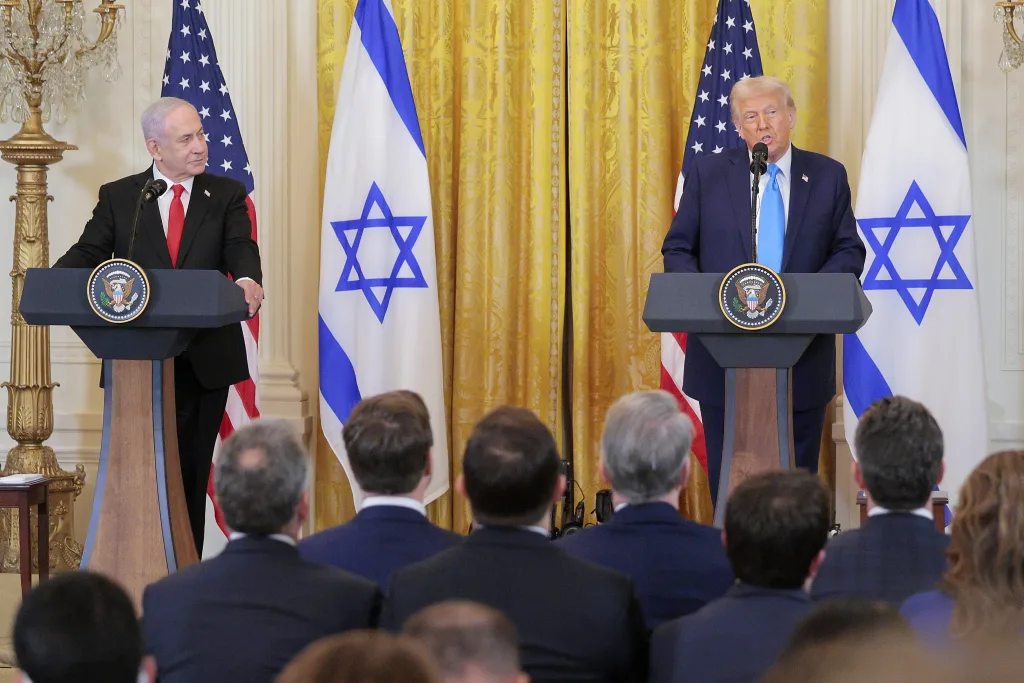
Furthermore, the international community’s approach to funding reconstruction reflects severe diplomatic fragmentation. Rallies for multi-billion-dollar aid packages are fundamentally hollow without an ironclad maritime and land logistical framework to ensure safe delivery.
If the Security Council fails to transition from debating resolutions to establishing an executable, independent enforcement mechanism, the promised $70 billion reconstruction will remain a theoretical concept.
True stabilization requires an unyielding adherence to the international legal codes of governance—one authority, one law, and one unified weapon system.
Conclusion
The open debate at the United Nations underscores that the road to lasting peace requires more than temporary truces and financial promises.
The structural and administrative future of the region depends entirely on whether global stakeholders can transform the Cairo-based transitional committee into a functional, on-the-ground reality. As billions of dollars hang in the balance and millions of civilians await stable infrastructure, the international community faces an uncompromising deadline to enforce accountability, enact disarmament, and build a sustainable framework for global governance.
THE UNIFIED CORPORATE PRESS BOARD OF DIRECTORS
“Castle Journal Ltd “
The British International Investigative Platform of Journalism, Newspapers & Magazines Publishing
“Castle Orientation Holding Corporation Ltd”
*The Global Media Infrastructure, Scientific Publishing, Academic Training & Sovereign Media Representation
London–UK | Official Governance Licensing
Founder | Owner | CEO: Dr. Abeer Almadawy
Dr. Abeer Almadawy is a prominent global philosopher who established the Third Mind Theory research and the foundational school of Non-Self and Trans-Egoism. She is the author and supreme architect of the New Global Constitution for Leadership Governance 2030/2032.
Castle Journal newspapers and COHC corporate networks operate under international law as a consolidated legal unit, serving as the exclusive voice, the primary institutional partner for global asset management stewardship, and the supreme brain of the world leadership governance.

